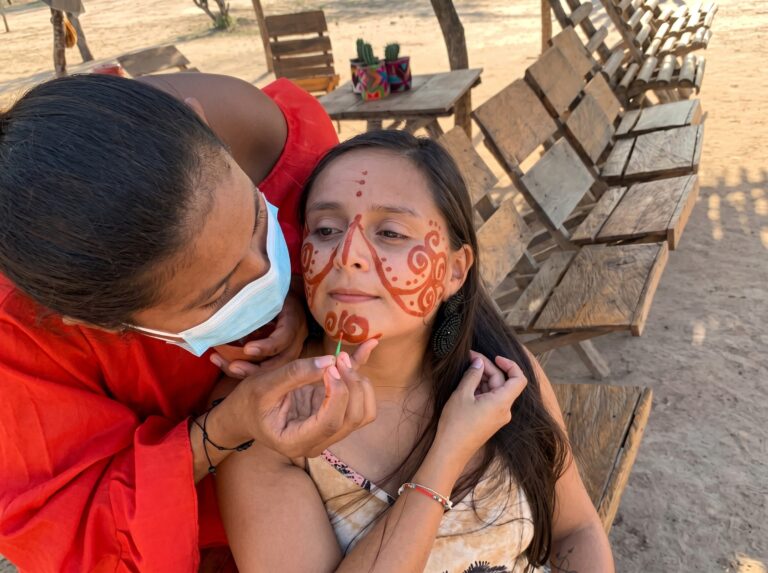
Excursiones a La Guajira - Agencia de viaje en La Guajira Agencia de viajes en La Guajira | History Travelers
History Travelers

There's something Instagram photos won't tell you about La Guajira: that the wind will whip your face for three days straight, that you'll eat roasted goat with your hands sitting on the sand, that you'll sleep in a hammock swaying in the desert breeze, and that you'll probably go home wondering when you can return. We've been organizing tours to La Guajira from Riohacha since 2013, and in this guide, we'll tell you everything you need to know before booking.
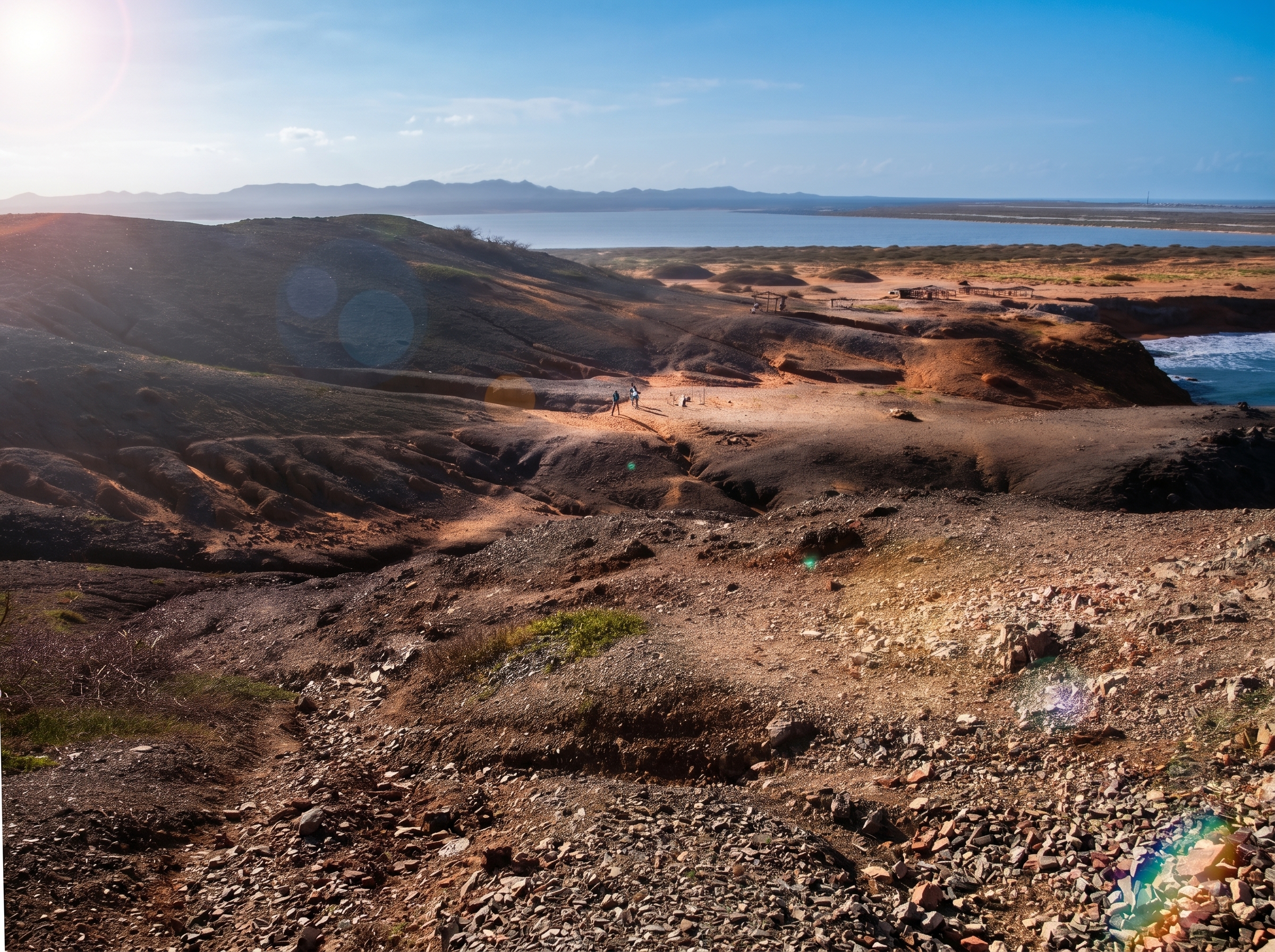
Excursión al Cabo de la Vela en La Guajira, Colombia
Excursion to Cabo de la Vela: where the desert meets the Caribbean · Photo: History Travelers

What is a trip to La Guajira?

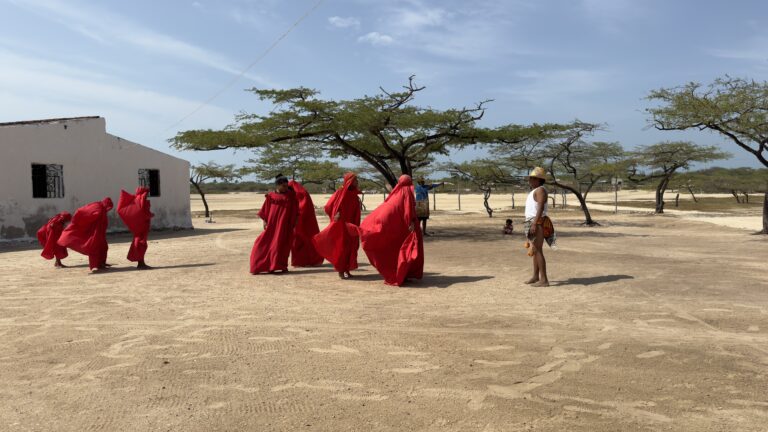
It's not a city tour. It's not a day trip by bus with lunch included. An excursion to La Guajira is a 4x4 journey through one of the most remote and spectacular territories in Colombia, where the desert plunges directly into the Caribbean Sea and where the Wayuu communities live much as they have for centuries.

There are no paved roads in the Upper Guajira. There is no cell phone signal for most of the journey. There are no ATMs after Uribia. And yet—or perhaps precisely because of this—it is one of the most powerful travel experiences one can have in all of South America.

The excursions depart from Riohacha, the capital of the department. From there, the route heads north through the desert, passing the salt flats of Manaure, Uribia (the indigenous capital of Colombia), and entering Wayuu territory towards Cabo de la Vela, the Taroa Dunes, and Punta Gallinas, the northernmost point of the continent.

· · ·

How many days do you need?

The short answer: it depends on how far you want to go and how deeply you want to immerse yourself in the experience. But I'll tell you based on what we see every day operating tours here:

One day: day trip to Cabo de la Vela

If you have little time, a day trip to Cabo de la Vela It gives you a taste of the Guajira desert. You leave Riohacha early, visit Pilón de Azúcar, Playa Arcoíris, the lighthouse, and return in the late afternoon. It's a good first impression, but let's be honest: La Guajira is truly experienced when you sleep there, when you see the stars without a single artificial light around, and when you wake up to the sound of the wind in the ranchería.

Two days: Cabo de la Vela with a Wayuu night

He 2-day tour with overnight stay in Wayuu It's the ideal balance between time and depth. You sleep in a ranchería, watch the sunset from El Pilón, have dinner with the family hosting you, and the next day explore the rest of the area at a more leisurely pace. This is where the true connection with the land begins.

Three days: the complete tour of the Upper Guajira

If you've come all the way to Riohacha, we recommend you take three days. 3-day tour of Alta Guajira It covers Cabo de la Vela, the Taroa Dunes, Bahía Hondita, and Punta Gallinas. You'll spend two nights in Wayuu rancherías, explore the entire desert, and reach the northernmost point of South America. It's the classic tour and the one we most recommend.

You truly feel La Guajira when you sleep there. When you see the stars without a single artificial light around and when you wake up to the sound of the wind in the ranchería.
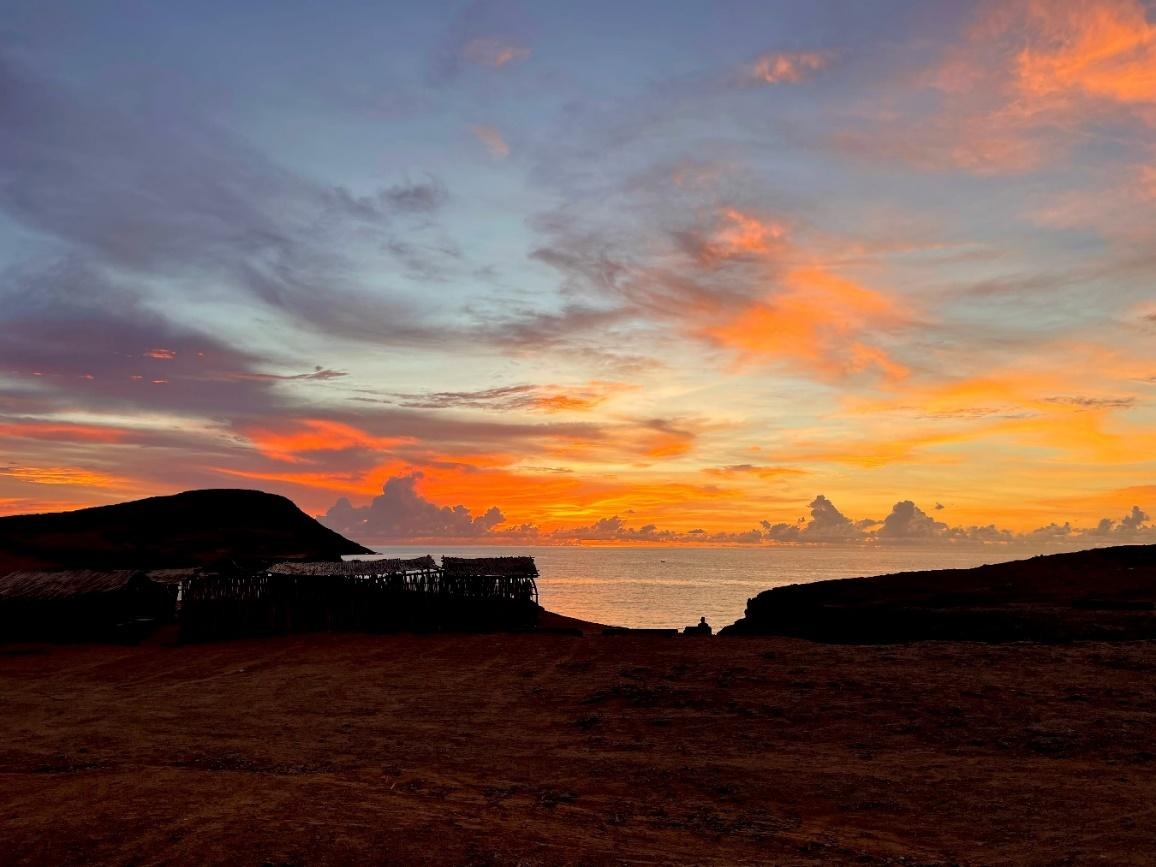
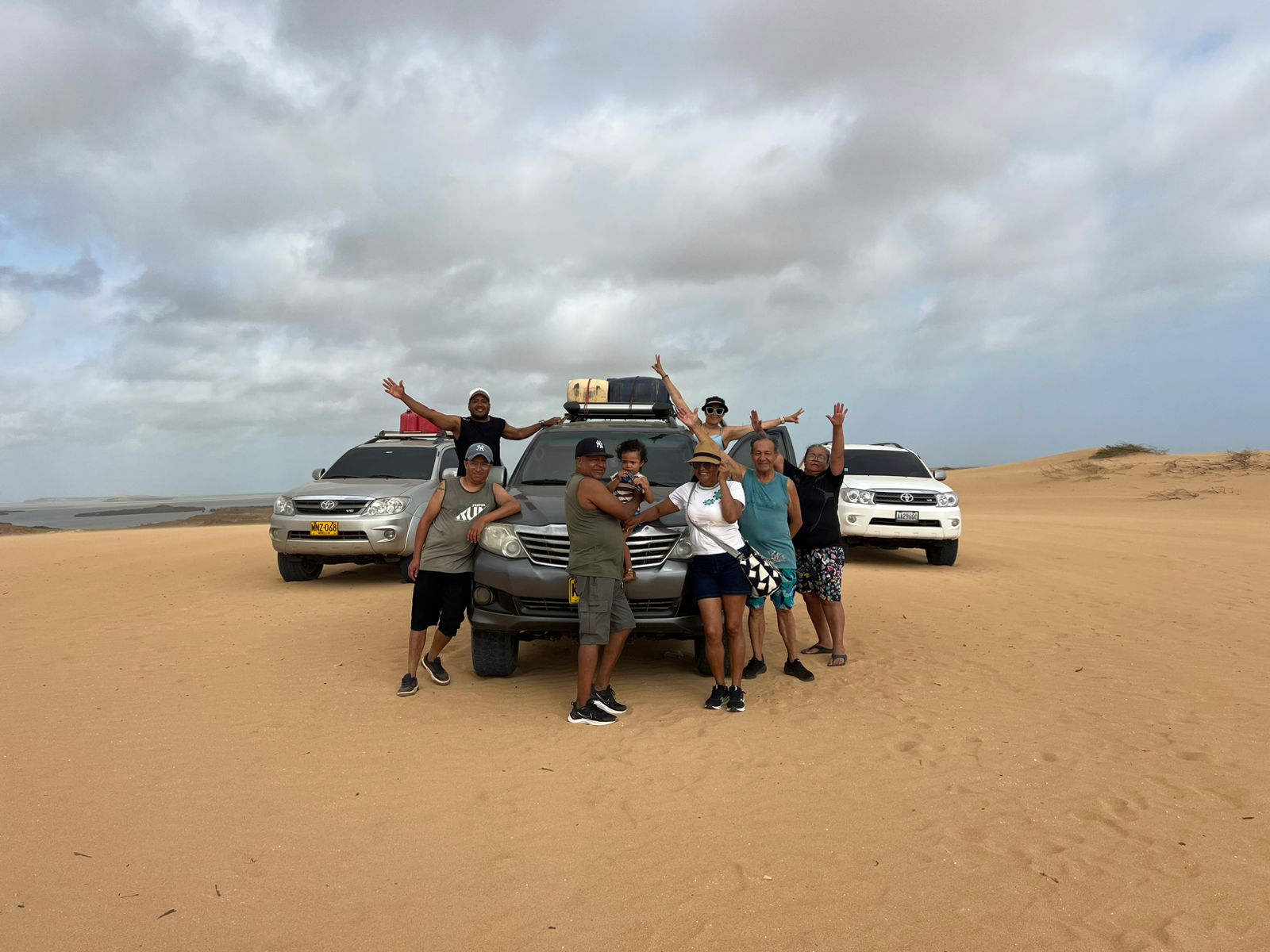
Viajeros en una excursión por La Guajira con History Travelers
Each excursion is an immersion into Wayuu territory · Photo: History Travelers

Why go with a local agency?

There is a huge difference between buying a package to La Guajira from Bogotá, Medellín or Santa Marta — where a large agency outsources everything to a local operator who in turn outsources to a driver — and booking directly with an agency that is in Riohacha, which knows every route, every ranchería and every Wayuu family along the way.

We are that agency. We have been operating tours to La Guajira for over ten years. Our drivers are Wayuu, born and raised in the territory, and know every road, every turn, and every change of tide. We don't outsource to anyone: when you book with History Travelers, we manage the entire operation from beginning to end.

What does that mean in practice? It means that if a route becomes difficult due to rain, our driver knows the alternative route. It means that if you want to stay a little longer in a place that blew your mind, we can adjust the itinerary. It means that the Wayuu families where you stay know us and welcome us as allies, not strangers.

Vehículo 4x4 de History Travelers recorriendo el desierto de La Guajira
Own fleet of 4x4 vehicles with Wayuu drivers · Photo: History Travelers
· · ·

What will you see on a trip to La Guajira?

Each excursion has its own pace, but the destinations we visit are these:

Manaure and the salt flats: The largest saltworks complex in Colombia, where the Wayuu have extracted salt by hand for generations. The pools of pink salt against the blue sky are an unforgettable sight.

Uribia: The indigenous capital of Colombia. A vibrant town full of color, Wayuu bags, and goats wandering among the market stalls. It's the last stop with cell phone service and ATMs.

Cape of the Sail: The first major visual impact: Sugarloaf Mountain—a hill that plunges directly into the Caribbean—the sunsets from El Faro (the lighthouse), Rainbow Beach, and the winds that make this place a world-class kitesurfing paradise. Here you sleep in a Wayuu ranchería (traditional dwelling).

Taroa Dunes: Dunes up to 40 meters high of golden sand plunge directly into the sea. You can sandboard from the top down into the water. It's one of the most surreal landscapes on the entire continent.

Hondita Bay: A bay of turquoise waters hidden between cliffs. Absolute silence. Sometimes there are pink flamingos.

Punta Gallinas: The northernmost point of South America. The lighthouse, the remote beaches, the feeling of being at the end of the world. From here, the next piece of land to the north is a Caribbean island.
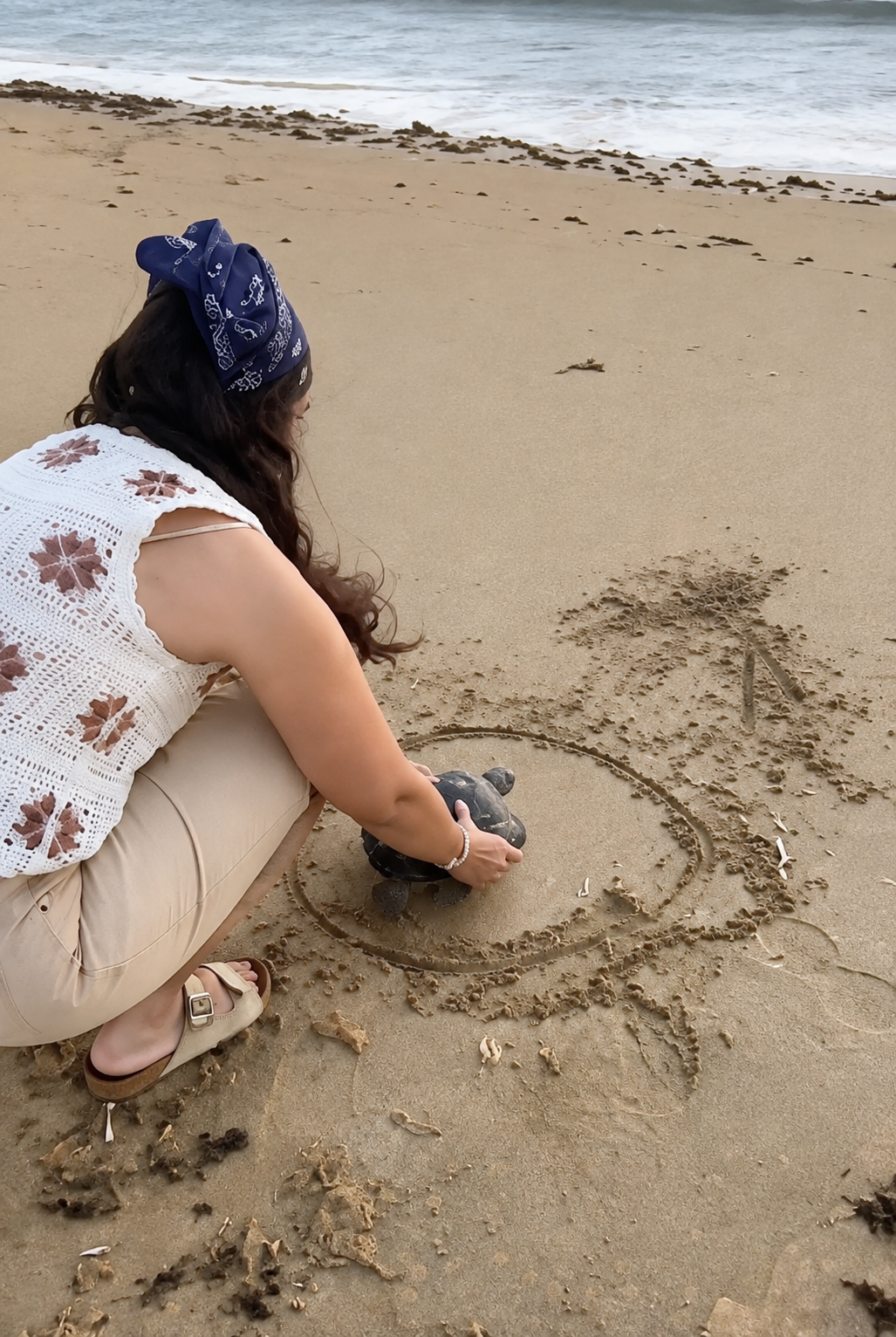
Liberación de tortugas marinas en La Guajira con History Travelers
Sea turtle release: one of our conservation excursions in La Guajira · Photo: History Travelers

When to go?

La Guajira has a desert climate, so it's hot year-round. But not all seasons are the same for an excursion:

December to April It's the ideal season. Clear skies, steady wind, and passable roads. It's peak season, so it's best to book in advance—especially in December and during Easter week.

June to August It's our favorite time of year. There are fewer tourists, the heat is intense, but the landscapes are at their most beautiful, and the conditions for kitesurfing are perfect.

October and November These are the months we recommend avoiding. It's the rainy season, desert roads become impassable, and some destinations like Macuira Park close completely.

· · ·

What to bring?

✓ Cash — there are no ATMs in the desert
✓ High SPF sunscreen and a hat — the desert sun is unforgiving.
✓ Light and comfortable clothing, but bring something with long sleeves for the wind
✓ Durable sandals for walking on sand and water
✓ Biodegradable repellent
✓ Flashlight or headlamp — in rural areas there is not always electricity
✓ Swimsuit
✓ Personal medicines
✓ A good attitude towards disconnecting — there's no Wi-Fi and that's part of the magic.
· · ·

Our excursions to La Guajira

All tours depart from Riohacha, with private 4x4 transport, Wayuu drivers, lodging in authentic rancherías, food included and travel insurance.
Leave a Reply

Your email address will not be published. Required fields are marked *

Ready to explore? Book via WhatsApp
Link copied!
Excursiones a La Guajira
La Guajira

Excursions to La Guajira

admin
admin
History Travelers Team
August 5, 2026 27 min read

There's something Instagram photos won't tell you about La Guajira: that the wind will whip your face for three days straight, that you'll eat roasted goat with your hands sitting on the sand, that you'll sleep in a hammock swaying in the desert breeze, and that you'll probably go home wondering when you can return. We've been organizing tours to La Guajira from Riohacha since 2013, and in this guide, we'll tell you everything you need to know before booking.

Excursión al Cabo de la Vela en La Guajira, Colombia
Excursion to Cabo de la Vela: where the desert meets the Caribbean · Photo: History Travelers

What is a trip to La Guajira?

It's not a city tour. It's not a day trip by bus with lunch included. An excursion to La Guajira is a 4x4 journey through one of the most remote and spectacular territories in Colombia, where the desert plunges directly into the Caribbean Sea and where the Wayuu communities live much as they have for centuries.

There are no paved roads in the Upper Guajira. There is no cell phone signal for most of the journey. There are no ATMs after Uribia. And yet—or perhaps precisely because of this—it is one of the most powerful travel experiences one can have in all of South America.

The excursions depart from Riohacha, the capital of the department. From there, the route heads north through the desert, passing the salt flats of Manaure, Uribia (the indigenous capital of Colombia), and entering Wayuu territory towards Cabo de la Vela, the Taroa Dunes, and Punta Gallinas, the northernmost point of the continent.

· · ·

How many days do you need?

The short answer: it depends on how far you want to go and how deeply you want to immerse yourself in the experience. But I'll tell you based on what we see every day operating tours here:

One day: day trip to Cabo de la Vela

If you have little time, a day trip to Cabo de la Vela It gives you a taste of the Guajira desert. You leave Riohacha early, visit Pilón de Azúcar, Playa Arcoíris, the lighthouse, and return in the late afternoon. It's a good first impression, but let's be honest: La Guajira is truly experienced when you sleep there, when you see the stars without a single artificial light around, and when you wake up to the sound of the wind in the ranchería.

Two days: Cabo de la Vela with a Wayuu night

He 2-day tour with overnight stay in Wayuu It's the ideal balance between time and depth. You sleep in a ranchería, watch the sunset from El Pilón, have dinner with the family hosting you, and the next day explore the rest of the area at a more leisurely pace. This is where the true connection with the land begins.

Three days: the complete tour of the Upper Guajira

If you've come all the way to Riohacha, we recommend you take three days. 3-day tour of Alta Guajira It covers Cabo de la Vela, the Taroa Dunes, Bahía Hondita, and Punta Gallinas. You'll spend two nights in Wayuu rancherías, explore the entire desert, and reach the northernmost point of South America. It's the classic tour and the one we most recommend.

You truly feel La Guajira when you sleep there. When you see the stars without a single artificial light around and when you wake up to the sound of the wind in the ranchería.
Viajeros en una excursión por La Guajira con History Travelers
Each excursion is an immersion into Wayuu territory · Photo: History Travelers

Why go with a local agency?

There is a huge difference between buying a package to La Guajira from Bogotá, Medellín or Santa Marta — where a large agency outsources everything to a local operator who in turn outsources to a driver — and booking directly with an agency that is in Riohacha, which knows every route, every ranchería and every Wayuu family along the way.

We are that agency. We have been operating tours to La Guajira for over ten years. Our drivers are Wayuu, born and raised in the territory, and know every road, every turn, and every change of tide. We don't outsource to anyone: when you book with History Travelers, we manage the entire operation from beginning to end.

What does that mean in practice? It means that if a route becomes difficult due to rain, our driver knows the alternative route. It means that if you want to stay a little longer in a place that blew your mind, we can adjust the itinerary. It means that the Wayuu families where you stay know us and welcome us as allies, not strangers.

Vehículo 4x4 de History Travelers recorriendo el desierto de La Guajira
Own fleet of 4x4 vehicles with Wayuu drivers · Photo: History Travelers
· · ·

What will you see on a trip to La Guajira?

Each excursion has its own pace, but the destinations we visit are these:

Manaure and the salt flats: The largest saltworks complex in Colombia, where the Wayuu have extracted salt by hand for generations. The pools of pink salt against the blue sky are an unforgettable sight.

Uribia: The indigenous capital of Colombia. A vibrant town full of color, Wayuu bags, and goats wandering among the market stalls. It's the last stop with cell phone service and ATMs.

Cape of the Sail: The first major visual impact: Sugarloaf Mountain—a hill that plunges directly into the Caribbean—the sunsets from El Faro (the lighthouse), Rainbow Beach, and the winds that make this place a world-class kitesurfing paradise. Here you sleep in a Wayuu ranchería (traditional dwelling).

Taroa Dunes: Dunes up to 40 meters high of golden sand plunge directly into the sea. You can sandboard from the top down into the water. It's one of the most surreal landscapes on the entire continent.

Hondita Bay: A bay of turquoise waters hidden between cliffs. Absolute silence. Sometimes there are pink flamingos.

Punta Gallinas: The northernmost point of South America. The lighthouse, the remote beaches, the feeling of being at the end of the world. From here, the next piece of land to the north is a Caribbean island.

Liberación de tortugas marinas en La Guajira con History Travelers
Sea turtle release: one of our conservation excursions in La Guajira · Photo: History Travelers

When to go?

La Guajira has a desert climate, so it's hot year-round. But not all seasons are the same for an excursion:

December to April It's the ideal season. Clear skies, steady wind, and passable roads. It's peak season, so it's best to book in advance—especially in December and during Easter week.

June to August It's our favorite time of year. There are fewer tourists, the heat is intense, but the landscapes are at their most beautiful, and the conditions for kitesurfing are perfect.

October and November These are the months we recommend avoiding. It's the rainy season, desert roads become impassable, and some destinations like Macuira Park close completely.

· · ·

What to bring?

✓ Cash — there are no ATMs in the desert
✓ High SPF sunscreen and a hat — the desert sun is unforgiving.
✓ Light and comfortable clothing, but bring something with long sleeves for the wind
✓ Durable sandals for walking on sand and water
✓ Biodegradable repellent
✓ Flashlight or headlamp — in rural areas there is not always electricity
✓ Swimsuit
✓ Personal medicines
✓ A good attitude towards disconnecting — there's no Wi-Fi and that's part of the magic.
· · ·

Our excursions to La Guajira

All tours depart from Riohacha, with private 4x4 transport, Wayuu drivers, lodging in authentic rancherías, food included and travel insurance.
Did you like this story?
Share it and help more travelers discover La Guajira
admin
Written by
admin

Traveler and storyteller from La Guajira. Passionate about Wayuu culture and the landscapes of the Colombian Caribbean.