Paola Forero, líder del turismo comunitario en La Guajira - Agencia de viaje en La Guajira Agencia de viajes en La Guajira | History Travelers
History Travelers

Every time I recall how I first encountered La Guajira, the Colombian desert, I think, “My heart clicked the moment I stepped off the plane, and I haven’t been able to leave since.” I arrived as head of social studies at the Albania School in Albania, a mining region in Colombia, and soon after, I quit my job and founded History Travelers, a tour operator that offers community-based experiences to just over 60 tourists daily.

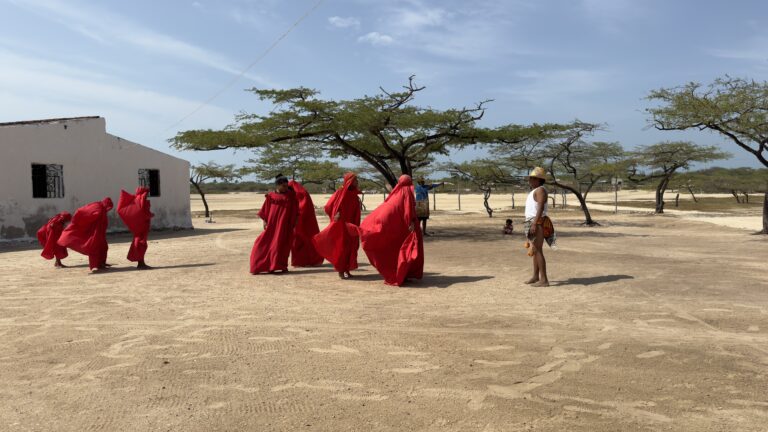
(Walapuinje Ranch; photo: Leiner Pinto)

Today, it is very gratifying to see our operation and the income we generate, highlighting our way of operating. This income stays in La Guajira, Atlántico, Bolívar, Magdalena and Cesar, among the Wayuu, Arhuaco, Kogui, Mestizo, Raizal and local communities, where our SME has trained and helped create 17 ventures that now offer tourist experiences with local communities. We hired 27 drivers and benefited 200 people who have changed from mineral extraction to sustainable and community tourism.

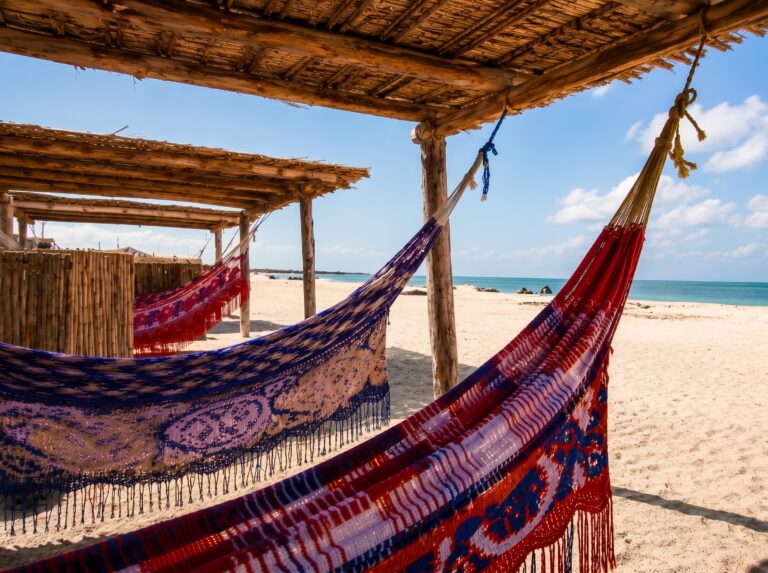
(Sunset at Playa Dorada/Cabo de la Vela; Photo: Leiner Pinto)

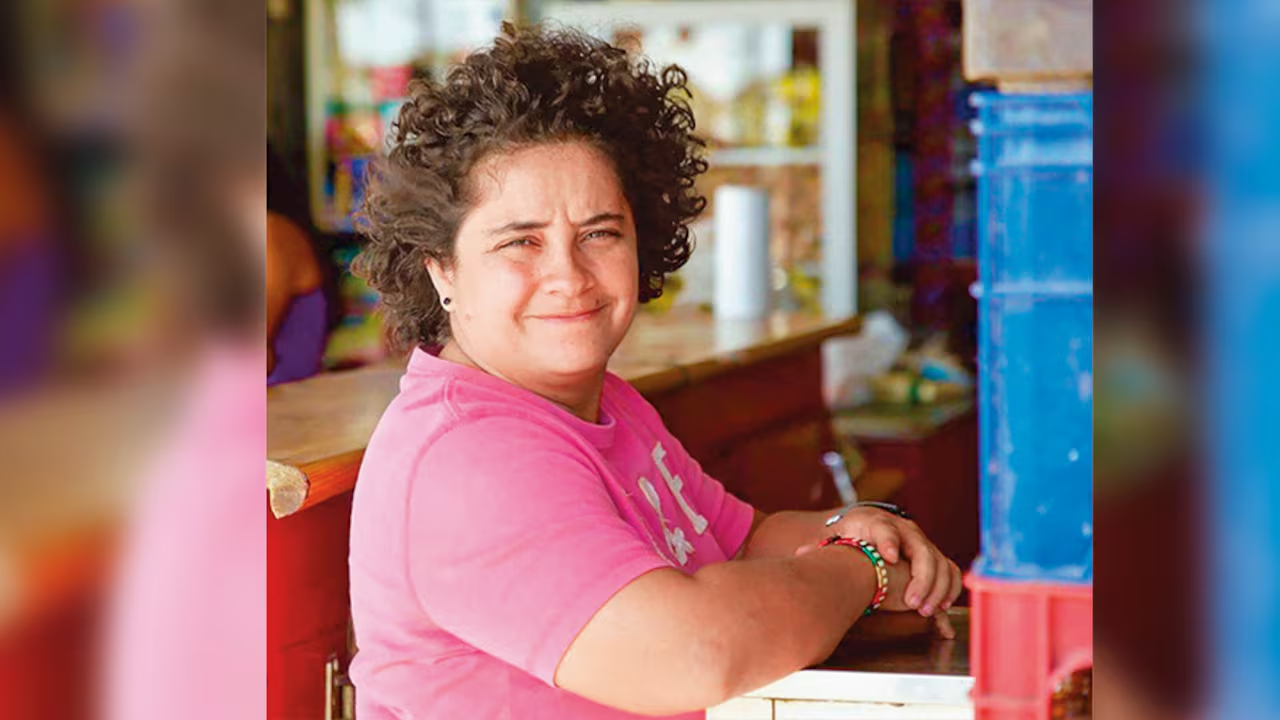
It's a source of pride to walk down the street or visit communities and destinations where we conduct tourism and have people greet me warmly and affectionately call me 'Pau,' especially since I'm a 41-year-old woman from Bogotá, originally from the interior of the country, "a stranger to this land." I feel that I've somehow won the hearts of the Guajiro people. I'm a historian and anthropologist from the Pontifical Javeriana University, specializing in contemporary studies and with a master's degree in multicultural studies and science from the University at Buffalo in New York, in a land like this, where academic achievements are valued little and personal relationships and tribal pacts are valued highly.

I arrived in Albania (a municipality in La Guajira) as a teacher. However, a Holy Week vacation when my parents came to visit me changed my life. We rented a pickup truck to visit the most emblematic sites, but the vehicle broke down, and we paid for a roadside assistance service, but we were left without food or lodging. In response, the Wayuu people offered us snails and prawns and provided us with the best possible hospitality.

It was incredibly moving. I deeply appreciated this human warmth, which contrasts sharply with the well-known needs of the arid and inhospitable La Guajira region and its natural wealth. I saw great potential in this sector, and with my head full of ideas, on May 21, 2014, I decided to create History Travelers with a different, collaborative economic model for the benefit of the communities. I don't own anything; we have a network of 27 drivers, 17 tourism experience businesses, and hotels—all within the community, from Cabo de la Vela to Punta Gallina. We own the name, but nothing more.

(Rainbow Beach; Photo: Leiner Pinto)

We decided to focus on activities and experiences different from traditional tourism. “Our destinations offer you the most diverse nature and authentic cultural experiences with the indigenous and peasant communities of northern Colombia. We are land, sky and people.”.

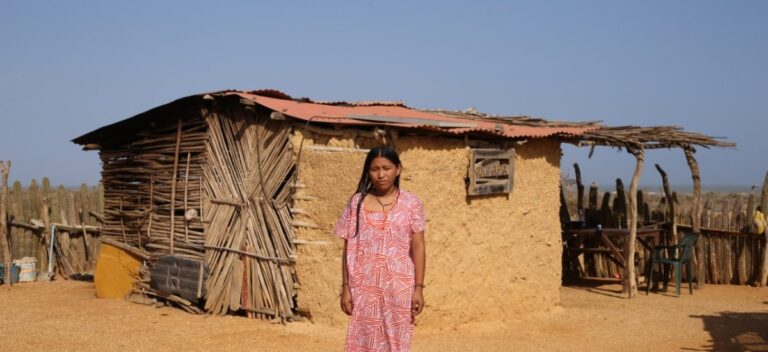
Desert excursions, hikes, bird watching, visits to the Manaure Salt Flats, Cabo de la Vela, Punta Gallinas, the Macuira Mountain Range, Salamanca Island Park, Valledupar, Pueblo Bello, Nabusímake, Tierra Grata, Manaure, Don Diego River, Tayrona Park, Ciénaga Grande, the Historic Center of Cartagena, the Rosario Islands, San Basilio de Palenque, among other Caribbean destinations, always attended by locals, are what we offer as a small business, so in eight years we have managed to position ourselves in the 'responsible tourism' sector.

The first big step was taken with a major tour requested by Hernán Acevedo, a leader in community and nature tourism in Colombia and former president of Acotur (Colombian Association of Responsible Tourism), to which History Travelers belongs. Acevedo contacted us to fly small planes to Cabo de La Vela with leaders and businesspeople from the country's strongest economic sectors.

(Montes de Oca; photo: Leiner Pinto)

That day, in just two hours, products from the communities, such as community-woven backpacks, were sold. We generated revenue from lunches at Cabo de La Vela, and the community-run hotels saw sales. And with this boost, a "different kind of tourism," catering to high-income individuals, began.

Then came the French, Swiss, and other foreigners, as well as NGOs from these countries who decided to support the communities in their new venture. The momentum was so strong that, during the pandemic, we were able to survive the lockdowns. In August 2020, a few tourists began to arrive again, this time domestic tourists who longed for more natural destinations.

(View from Cerro Kamaichi “Sugarloaf”; Photo: Leiner Pinto)

Today, we are a small business that responsibly and ethically serves a large number of tourists daily on tours throughout La Guajira and the Colombian Caribbean, respecting the value chain, from our offices in Riohacha, Santa Marta, and Cartagena. We have 10 employees on the payroll and benefit from the ZESE (Special Economic and Social Zone) program, a special tax regime created by the national government because most of La Guajira is desert or semi-desert, making access difficult and job opportunities scarce.

Having the green business and tourism certification has been very important; it has opened doors for us not only with clients but also with organizations and NGOs that support us in overcoming challenges in training and formalizing communities. This is especially important given the high level of informality in the region, which tops the list of difficulties we have had to face as an SME.

The new initiatives for 2023 will focus on the Macondo Natural route, with Swiss resources, and in Cartagena, the focus will shift to tourism with the Raizal people, through the Insider Tours venture. After eight years, we are happy to continue growing, to have more and more partners who believe in our approach to tourism, to continue helping entire families generate their own source of income, but above all, we are very happy to continue receiving the love of this land and the unconditional support of its people.
Leave a Reply

Your email address will not be published. Required fields are marked *

Ready to explore? Book via WhatsApp
Link copied!
Paola Forero, líder del turismo comunitario en La Guajira
Communities

Paola Forero, leader of community tourism in La Guajira

admin
admin
History Travelers Team
April 27, 2026 6 min read

Every time I recall how I first encountered La Guajira, the Colombian desert, I think, “My heart clicked the moment I stepped off the plane, and I haven’t been able to leave since.” I arrived as head of social studies at the Albania School in Albania, a mining region in Colombia, and soon after, I quit my job and founded History Travelers, a tour operator that offers community-based experiences to just over 60 tourists daily.

(Walapuinje Ranch; photo: Leiner Pinto)

Today, it is very gratifying to see our operation and the income we generate, highlighting our way of operating. This income stays in La Guajira, Atlántico, Bolívar, Magdalena and Cesar, among the Wayuu, Arhuaco, Kogui, Mestizo, Raizal and local communities, where our SME has trained and helped create 17 ventures that now offer tourist experiences with local communities. We hired 27 drivers and benefited 200 people who have changed from mineral extraction to sustainable and community tourism.

(Sunset at Playa Dorada/Cabo de la Vela; Photo: Leiner Pinto)

It's a source of pride to walk down the street or visit communities and destinations where we conduct tourism and have people greet me warmly and affectionately call me 'Pau,' especially since I'm a 41-year-old woman from Bogotá, originally from the interior of the country, "a stranger to this land." I feel that I've somehow won the hearts of the Guajiro people. I'm a historian and anthropologist from the Pontifical Javeriana University, specializing in contemporary studies and with a master's degree in multicultural studies and science from the University at Buffalo in New York, in a land like this, where academic achievements are valued little and personal relationships and tribal pacts are valued highly.

I arrived in Albania (a municipality in La Guajira) as a teacher. However, a Holy Week vacation when my parents came to visit me changed my life. We rented a pickup truck to visit the most emblematic sites, but the vehicle broke down, and we paid for a roadside assistance service, but we were left without food or lodging. In response, the Wayuu people offered us snails and prawns and provided us with the best possible hospitality.

It was incredibly moving. I deeply appreciated this human warmth, which contrasts sharply with the well-known needs of the arid and inhospitable La Guajira region and its natural wealth. I saw great potential in this sector, and with my head full of ideas, on May 21, 2014, I decided to create History Travelers with a different, collaborative economic model for the benefit of the communities. I don't own anything; we have a network of 27 drivers, 17 tourism experience businesses, and hotels—all within the community, from Cabo de la Vela to Punta Gallina. We own the name, but nothing more.

(Rainbow Beach; Photo: Leiner Pinto)

We decided to focus on activities and experiences different from traditional tourism. “Our destinations offer you the most diverse nature and authentic cultural experiences with the indigenous and peasant communities of northern Colombia. We are land, sky and people.”.

Desert excursions, hikes, bird watching, visits to the Manaure Salt Flats, Cabo de la Vela, Punta Gallinas, the Macuira Mountain Range, Salamanca Island Park, Valledupar, Pueblo Bello, Nabusímake, Tierra Grata, Manaure, Don Diego River, Tayrona Park, Ciénaga Grande, the Historic Center of Cartagena, the Rosario Islands, San Basilio de Palenque, among other Caribbean destinations, always attended by locals, are what we offer as a small business, so in eight years we have managed to position ourselves in the 'responsible tourism' sector.

The first big step was taken with a major tour requested by Hernán Acevedo, a leader in community and nature tourism in Colombia and former president of Acotur (Colombian Association of Responsible Tourism), to which History Travelers belongs. Acevedo contacted us to fly small planes to Cabo de La Vela with leaders and businesspeople from the country's strongest economic sectors.

(Montes de Oca; photo: Leiner Pinto)

That day, in just two hours, products from the communities, such as community-woven backpacks, were sold. We generated revenue from lunches at Cabo de La Vela, and the community-run hotels saw sales. And with this boost, a "different kind of tourism," catering to high-income individuals, began.

Then came the French, Swiss, and other foreigners, as well as NGOs from these countries who decided to support the communities in their new venture. The momentum was so strong that, during the pandemic, we were able to survive the lockdowns. In August 2020, a few tourists began to arrive again, this time domestic tourists who longed for more natural destinations.

(View from Cerro Kamaichi “Sugarloaf”; Photo: Leiner Pinto)

Today, we are a small business that responsibly and ethically serves a large number of tourists daily on tours throughout La Guajira and the Colombian Caribbean, respecting the value chain, from our offices in Riohacha, Santa Marta, and Cartagena. We have 10 employees on the payroll and benefit from the ZESE (Special Economic and Social Zone) program, a special tax regime created by the national government because most of La Guajira is desert or semi-desert, making access difficult and job opportunities scarce.

Having the green business and tourism certification has been very important; it has opened doors for us not only with clients but also with organizations and NGOs that support us in overcoming challenges in training and formalizing communities. This is especially important given the high level of informality in the region, which tops the list of difficulties we have had to face as an SME.

The new initiatives for 2023 will focus on the Macondo Natural route, with Swiss resources, and in Cartagena, the focus will shift to tourism with the Raizal people, through the Insider Tours venture. After eight years, we are happy to continue growing, to have more and more partners who believe in our approach to tourism, to continue helping entire families generate their own source of income, but above all, we are very happy to continue receiving the love of this land and the unconditional support of its people.
Did you like this story?
Share it and help more travelers discover La Guajira
admin
Written by
admin

Traveler and storyteller from La Guajira. Passionate about Wayuu culture and the landscapes of the Colombian Caribbean.