Wayuu hammocks, an ancestral tradition.🧵

For centuries, the Wayuu indigenous people have inhabited the vast desert region of the Guajira Peninsula. These brave and resilient natives have built their lives in harmony with nature, harnessing the resources of the desert and the sea to thrive. Among the most remarkable Wayuu traditions is the unique craft of the "chinchorros." These authentic masterpieces are hammocks woven with striking decorations that can even bear your name if you wish. The weaving of these pieces is done entirely by hand. Chinchorros not only serve as comfortable places to rest, but they also become testaments to the skill and creativity of this ancient people, considered profound expressions of the community's identity and artistry. Each piece tells a story, passing on the rich cultural tradition from generation to generation. Wayuu women are the artisans behind these beautiful creations, dedicating hours of meticulous work to each chinchorro. The process of making a chinchorro is a ritual in itself. It begins with the careful selection of natural fibers obtained from the region's palm trees. Then, with skill and patience, the women weave the intricate patterns and vibrant colors that characterize these iconic objects. Every detail has meaning, from the colors that represent nature to the patterns that tell stories of daily life, mythology, and the spiritual connection to the land. By immersing yourself in the cultural experience with the Wayuu community, you will have the unique opportunity to learn directly from the women artisans. You will be able to observe the hammock-making process up close, participate in hands-on workshops, and discover the stories woven into every thread. Traveling to La Guajira and visiting the local Wayuu community means not only enjoying the stunning beaches and desert landscapes but also immersing yourself in a living, vibrant culture. By choosing community-based tourism, you directly support local communities, contributing to the preservation of their ancestral traditions and ensuring that the legacy of Wayuu hammocks endures. Embark on an unforgettable journey through the history, craftsmanship, and warmth of the Wayuu people, and take home not only a beautiful hammock, but also the memories of a unique and authentic experience! #CommunityTourism #WayuuHammocks #IndigenousCulture #AuthenticColombia
Behind the Wayuu Makeup

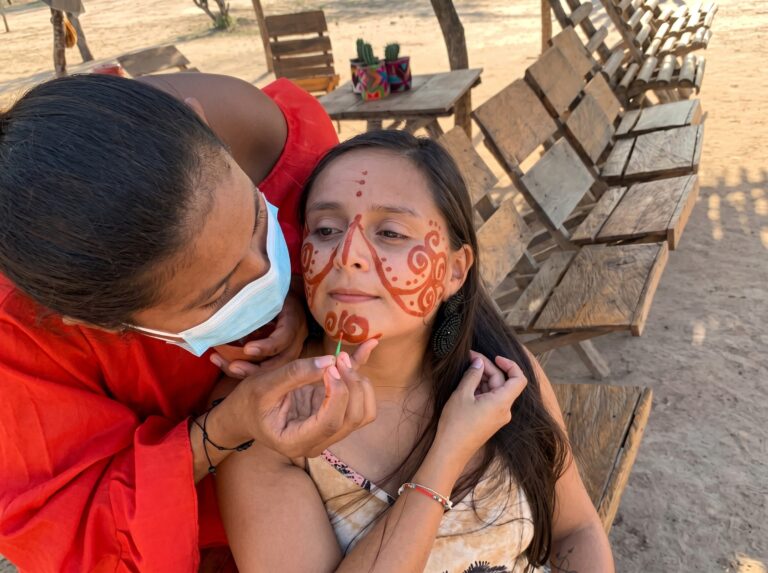
Do you know why the Wayuu people paint their faces? The Wayuu, on a symbolic level, condense their worldview through a spiral figure, which represents the integral unity of the past, present, and future. For some authors, this symbolism, or facial painting, is characterized by imitating the beauty of nature, such as "the fluttering of a butterfly (julirü), the gait of a horse (amakualiyaa), and the tracks of a scorpion (jayutsekualüyaa)," says Kasuusain Herrera Paz, a Wayuu man. What do they use to paint their faces? The designs are created with a substance made by mixing a little water with a chalk called pali'isa, a preparation obtained from a tree of the same name that generally grows in mountainous areas. (Toro, 2017).
Francisco “El Hombre” The Legend
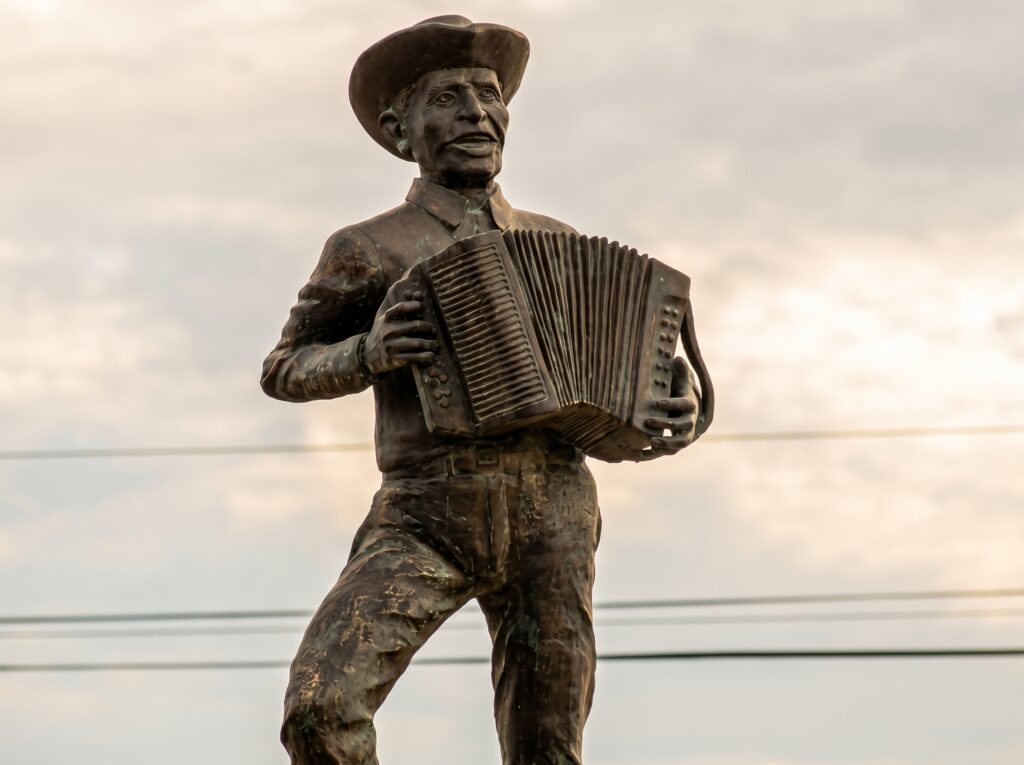
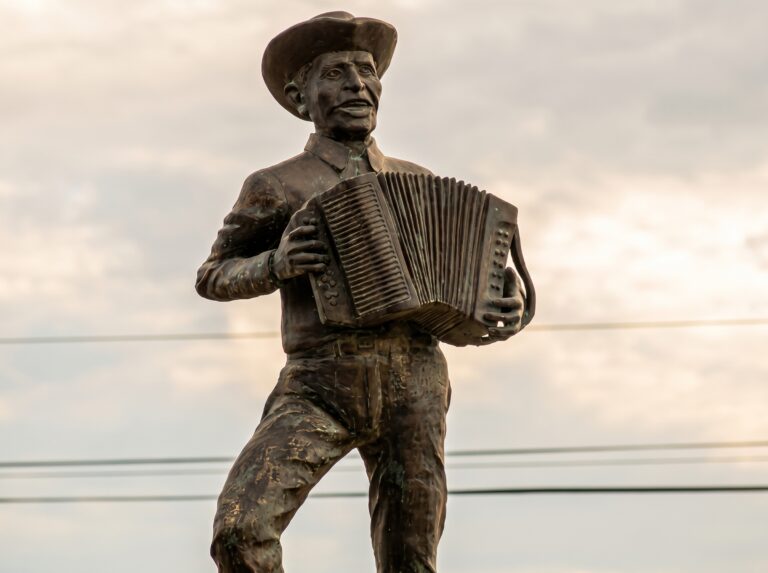
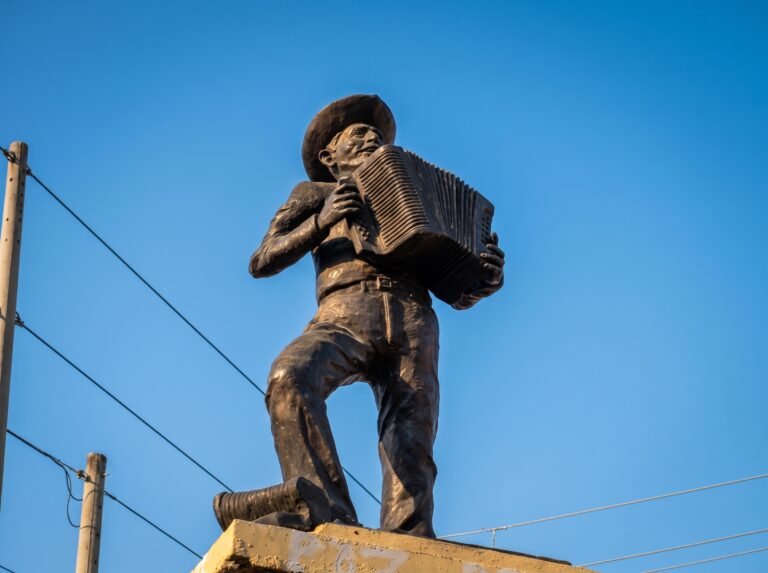
Francisco Moscote was a man born in Machobayo, La Guajira. He was very popular for being a dedicated accordion player and, above all, a minstrel: he didn't compose, but he sang what composers created. He used to travel on his donkey, carrying a small bottle of rum with him. One night he was playing the accordion until he decided to return home. On the way, he began to hear another accordion playing the same song as him. This went on for several minutes; the accordion's response was superior to his own talent, more refined and elegant. At that moment, Francisco understood that he was in a true, high-quality musical duel. He also interpreted it as the work of the devil, because he smelled sulfur. He prayed the Lord's Prayer, but it wasn't enough. Then it occurred to him to pray the Creed backwards. He began to play the Creed backwards on his accordion, and as soon as the devil heard him, he fled. This man would be known as Francisco the Man. Francisco told this story everywhere he went, and it stuck in the memory of the locals. And so, the story spread throughout the valley, as gossip often does in Macondo.
Francisco “El Hombre” The Legend
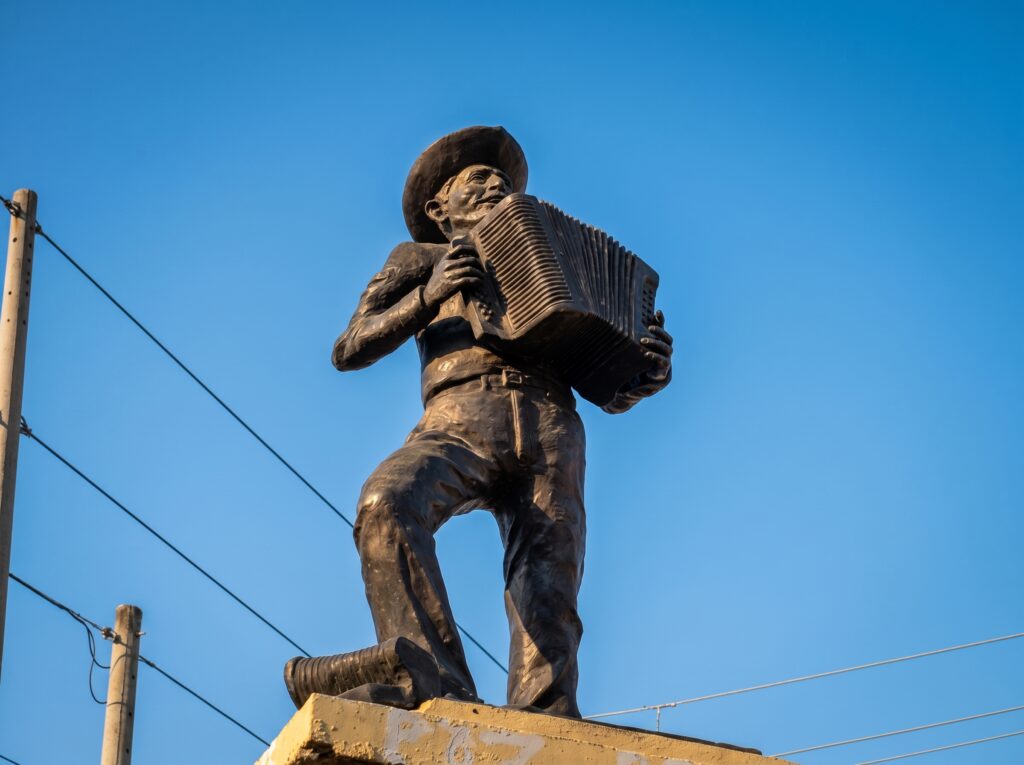
Francisco Moscote was a man born in Machobayo, La Guajira. He was very popular for being a dedicated accordion player and, above all, a minstrel: he didn't compose, but he sang what composers created. He used to travel on his donkey, carrying a small bottle of rum with him. One night he was playing the accordion until he decided to return home. On the way, he began to hear another accordion playing the same song as him. This went on for several minutes; the accordion's response was superior to his own talent, more refined and elegant. At that moment, Francisco understood that he was in a true, high-quality musical duel. He also interpreted it as the work of the devil, because he smelled sulfur. He prayed the Lord's Prayer, but it wasn't enough. Then it occurred to him to pray the Creed backwards. He began to play the Creed backwards on his accordion, and as soon as the devil heard him, he fled. This man would be known as Francisco the Man. Francisco told this story everywhere he went, and it stuck in the memory of the locals. And so, the story spread throughout the valley, as gossip often does in Macondo.
Francisco “El Hombre” The Legend
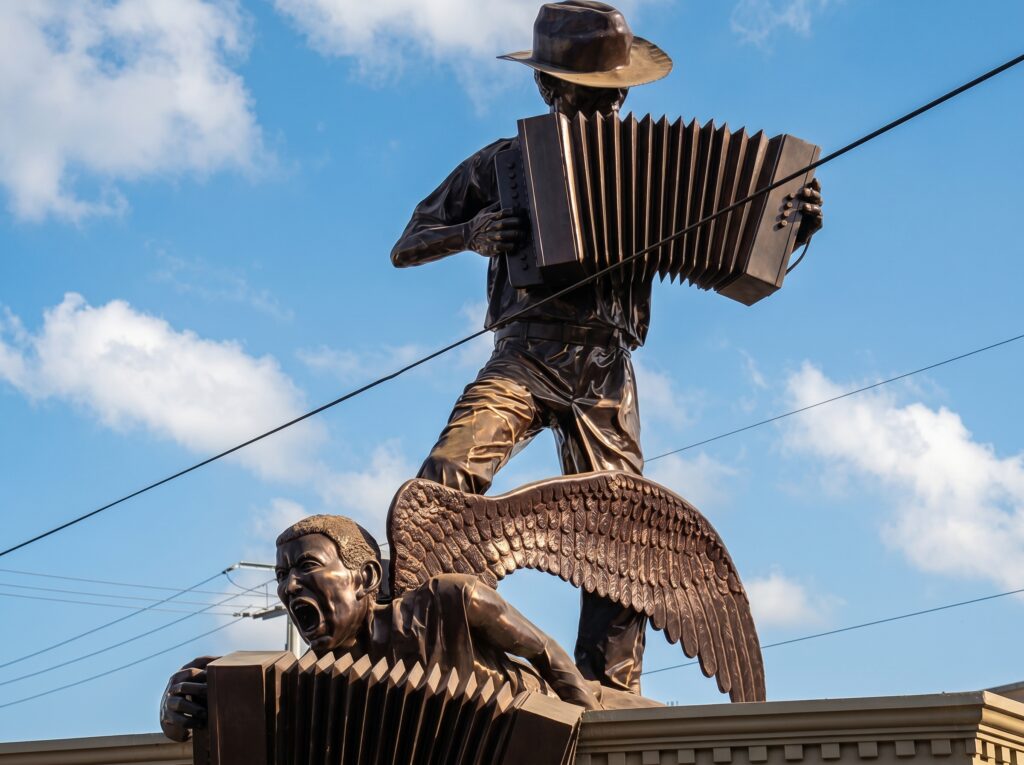
Francisco Moscote was a man born in Machobayo, La Guajira. He was very popular for being a dedicated accordion player and, above all, a minstrel: he didn't compose, but he sang what composers created. He used to travel on his donkey, carrying a small bottle of rum with him. One night he was playing the accordion until he decided to return home. On the way, he began to hear another accordion playing the same song as him. This went on for several minutes; the accordion's response was superior to his own talent, more refined and elegant. At that moment, Francisco understood that he was in a true, high-quality musical duel. He also interpreted it as the work of the devil, because he smelled sulfur. He prayed the Lord's Prayer, but it wasn't enough. Then it occurred to him to pray the Creed backwards. He began to play the Creed backwards on his accordion, and as soon as the devil heard him, he fled. This man would be known as Francisco the Man. Francisco told this story everywhere he went, and it stuck in the memory of the locals. And so, the story spread throughout the valley, as gossip often does in Macondo.
Francisco “El Hombre” The Legend
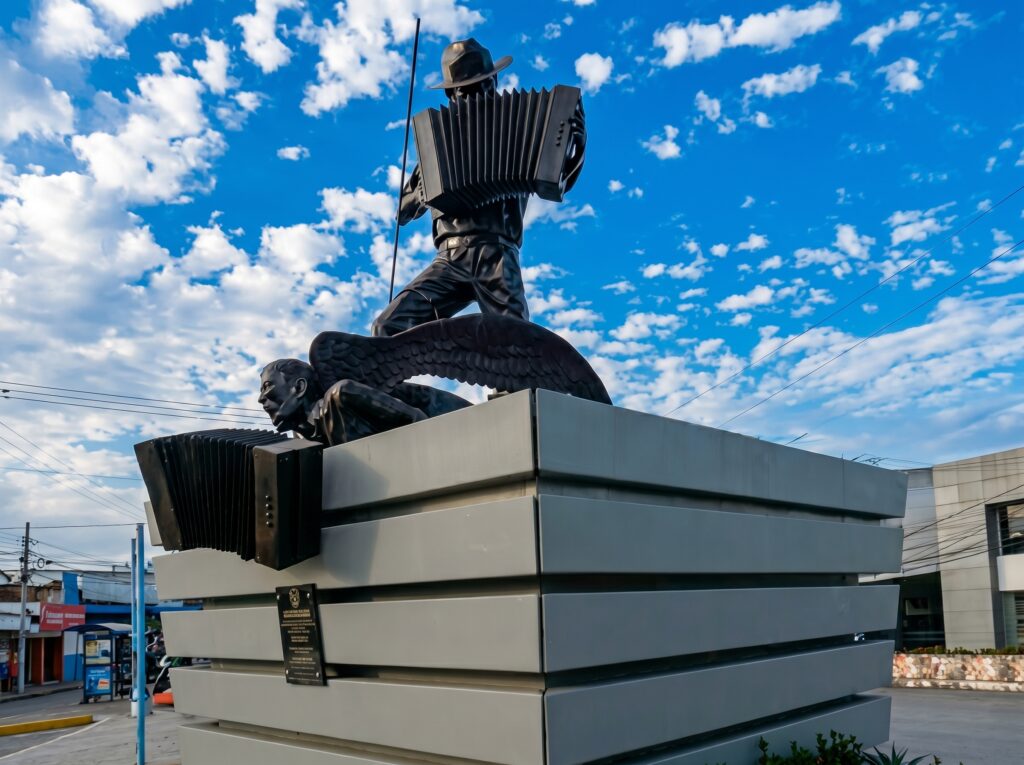
Francisco Moscote was a man born in Machobayo, La Guajira. He was very popular for being a dedicated accordion player and, above all, a minstrel: he didn't compose, but he sang what composers created. He used to travel on his donkey, carrying a small bottle of rum with him. One night he was playing the accordion until he decided to return home. On the way, he began to hear another accordion playing the same song as him. This went on for several minutes; the accordion's response was superior to his own talent, more refined and elegant. At that moment, Francisco understood that he was in a true, high-quality musical duel. He also interpreted it as the work of the devil, because he smelled sulfur. He prayed the Lord's Prayer, but it wasn't enough. Then it occurred to him to pray the Creed backwards. He began to play the Creed backwards on his accordion, and as soon as the devil heard him, he fled. This man would be known as Francisco the Man. Francisco told this story everywhere he went, and it stuck in the memory of the locals. And so, the story spread throughout the valley, as gossip often does in Macondo.