Clanes Wayuu: cuáles son, significado, origen y organización social - Agencia de viaje en La Guajira Agencia de viajes en La Guajira | History Travelers
History Travelers

Before a Wayuu person even says their name, they have often already revealed something more important: which clan they belong to. In La Guajira, that answer is not a minor detail. It is a way of situating oneself in the world. It reveals a lineage, a kinship network, a shared memory, and a way of understanding the relationship between family, territory, and community.

Therefore, discussing the Wayuu clans is not simply about learning a list of surnames. It means approaching the heart of one of the most robust indigenous social organizations in the Americas. The clans continue to give meaning to identity, the kinship system, marriage norms, conflict mediation, and the transmission of knowledge between generations.

It also means entering with respect into a universe that cannot be fully explained using Western categories. Wayuu culture maintains a living matrilineal structure, where the mother transmits the clan, the extended family occupies a central place, and oral tradition remains crucial.
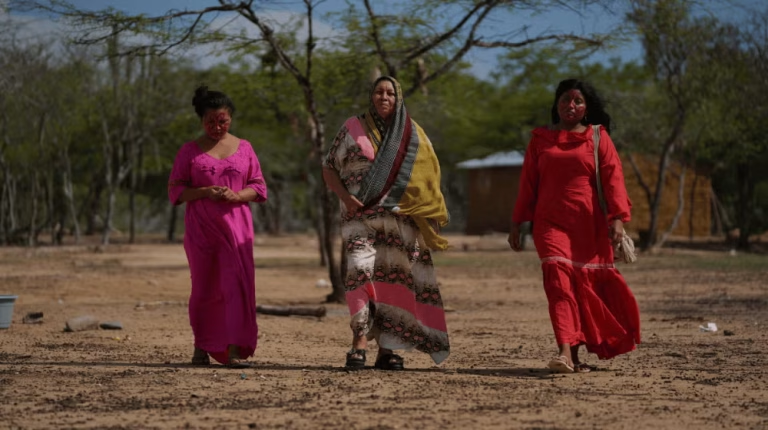
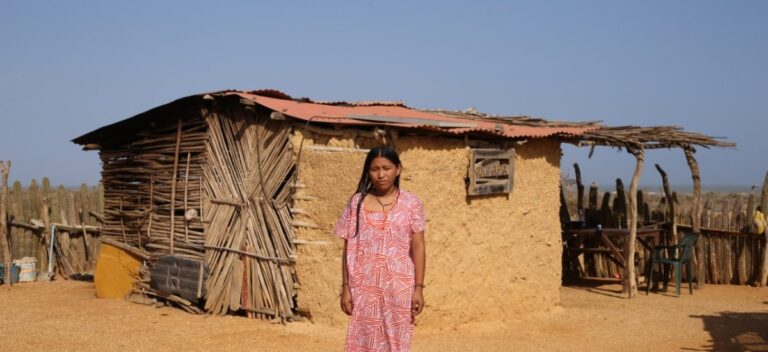
Mujer Wayuu en una ranchería de La Guajira durante una conversación familiar
Clan membership remains a living foundation of Wayuu identity in La Guajira · Photo: History Travelers

In this guide you will find answers to essential questions: what are the Wayuu clans, how many Wayuu clans exist, what is their origin, how does the matrilineal system work, why the surname does not always define the clan, and why this organization remains key to understanding life in La Guajira.

· · ·

What are the Wayuu clans?

Wayuu clans are descent groups that organize the social life of the Wayuu people. Each person is born into a clan and belongs to it throughout their life. This belonging is not a superficial label, but rather a structure of identity, reciprocal obligations, and shared memory.

To say that a clan is simply “a large family” would be a gross oversimplification. In reality, the clan organizes how kinship, protection, authority, and relationships between family groups are understood. Through it, bonds, boundaries, and responsibilities are established that carry real weight in daily life.

Much more than a surname

One of the most frequent misunderstandings occurs when attempting to translate the clan name directly into the language of surnames. Although some Wayuu surnames are widely known, the clan name does not automatically equate to the legal surname. Clan lineage follows its own cultural logic, transmitted by the family and recognized within the community.

Therefore, when someone asks about the Wayuu clans, they are actually asking about a historical form of organization that has survived for centuries. It's not an administrative fact: it's a way of belonging.

The clan as the basis of collective life

Within the Wayuu organization, the clan helps define support networks, kinship norms, and mediation processes. It also influences how the memory of elders is preserved and how cultural knowledge is transmitted.

✦ The clan defines cultural and family belonging.
✦ It's not just about a surname.
✦ It organizes kinship, authority, and memory.
✦ It remains fundamental to Wayuu life today.

How does the Wayuu matrilineal system work?

One of the best-known features of Wayuu society is its matrilineal nature. This means that clan membership is inherited through the maternal line. Children belong to their mother's clan, and this logic has profound implications for how kinship, family representation, and lineage continuity are understood.

In many Western societies, the paternal surname often occupies the center of family identity. In the Wayuu world, something different occurs. The mother transmits the clan, and a large part of the social organization is structured around this maternal line.
Familia Wayuu reunida en una ranchería mostrando distintas generaciones
The maternal line articulates the continuity of the clan and the transmission of the lineage. Photo: History Travelers

The mother transmits the lineage

Clan membership is received at birth. It does not depend on a later choice or a paperwork process. From the Wayuu perspective, this lineage determines a person's position within the community and explains why the female line is so important.

The role of the maternal uncle

Within the matrilineal system, the maternal uncle typically occupies a central position. In many Wayuu families, his presence is crucial in processes of guidance, support, mediation, and representation. This helps to understand that family authority is not distributed in exactly the same way as in smaller, Western domestic models.

In the Wayuu world, family does not end at the immediate home. It extends to the clan, to elders, and to a network of mutual obligations that sustains collective life.

Why doesn't a surname always define a clan?

Many people seek answers about Wayuu clans through surnames. This is a logical reaction, but insufficient. A surname can offer clues, but it doesn't replace family memory or community recognition of lineage.

Furthermore, the relationship between Indigenous peoples and state systems has resulted in translations, simplifications, and adaptations of names over time. Therefore, identifying a clan solely by surname can lead to errors.

The most important thing is to understand that the clan is not born from the civil registry, but from a much older cultural organization, sustained by oral tradition, family genealogy and community life.

· · ·

How many Wayuu clans exist?

This is one of the most frequently asked questions online, and also one of the most difficult to answer with a single number. The most accurate answer is that there is no absolute consensus. Various studies, compilations, and community voices mention between 25 and 30 main clans, although some sources include more names due to subdivisions, regional variations, or differences in how lineages are recorded.

That's why it's so common to find searches like "30 Wayuu clans," "how many Wayuu clans are there," or "what are the Wayuu clans." The problem isn't the question itself, but rather expecting a closed and unchanging list for a living and complex tradition.

✦ Many sources mention between 25 and 30 main clans.
✦ Not all lists agree with each other.
✦ Some differences are due to regional or family variations.
✦ What is essential is not just the number, but the social function of the clan.

The most honest thing to do is to acknowledge that there are clans frequently mentioned in different references, but that the Wayuu system cannot always be confined to a rigid table.

Frequently mentioned Wayuu clans

Among the names that appear most frequently in various materials about Wayuu culture are Epieyú, Pushaina, Uriana, Ipuana, Jusayú, Epinayú, Sapuana, Jayariyú, Uliana, Pausayú, Apshana, and Siijuana, among others. Presenting them as frequently mentioned clans is more accurate than offering a definitive, unnuanced list.
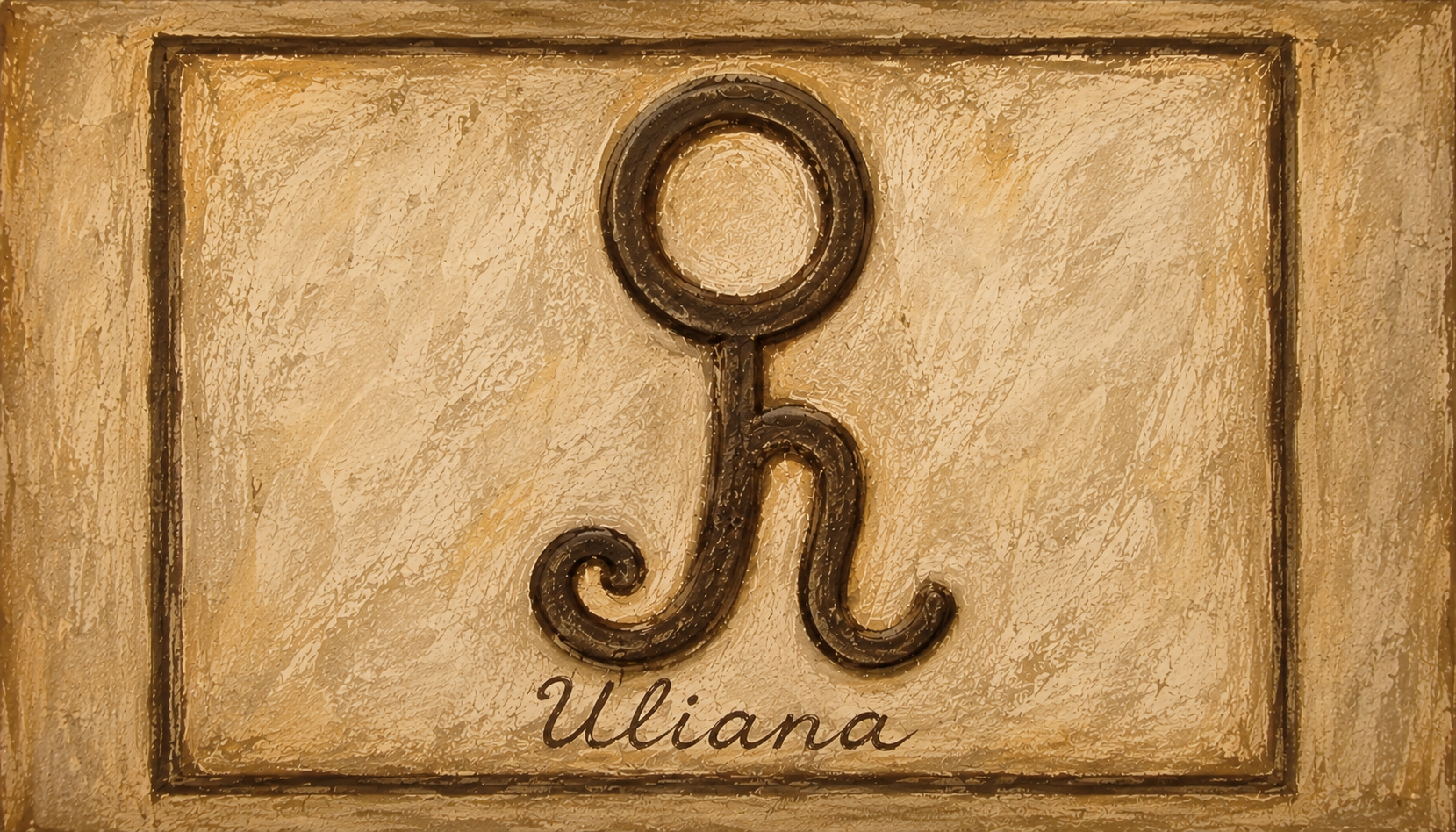
Paisaje de La Guajira que evoque territorio, memoria y linaje Wayuu
Clans are not just names: they are also related to memory, territory, and cultural continuity. Photo: History Travelers

Indicative table of frequently mentioned Wayuu clans

The following table is for guidance only. It is not intended to replace oral tradition or establish a single truth, but rather to offer a useful reference for the reader.

Clan or lineage mentioned Frequent presence in informative lists Observation
Epieyú High It appears regularly in references about Wayuu clans.
Pushaina High It is one of the best-known names inside and outside of La Guajira.
Uriana High Frequently cited in explanations about Wayuu lineages.
Ipuana High Frequently mentioned in family and cultural contexts.
Jusayú Medium-High It usually appears on extensive lists of clans.
Epinayú Medium-High Present in educational and cultural materials.
Sapuana Average Name cited with some frequency depending on the source.
Jayariyu Average It may appear with spelling variations.
Uliana Average It can also appear with variable writing.
Pausayú Average Its presence depends on the type of list consulted.
Apshana Average Mentioned in some compilations about Wayuu lineages.
Sijona Average It may appear on lists that do not always match each other.

What is the origin of the Wayuu clans?

The origin of the Wayuu clans cannot be explained solely through a written chronology. Part of their profound meaning resides in oral tradition, in the stories passed down by elders, and in a way of understanding the world where family, territory, and memory are inseparable. Asking about the origin of the clans is not only asking when they emerged, but also how they are understood within the Wayuu way of life.

According to Wayuu oral tradition, lineages are part of an ancient cultural structure, linked to the balance between people, the community, and the territory. In this context, the clan is not an administrative invention or a recent label: it is a historical way of organizing collective existence.

Written history and oral memory

Academic research helps to describe and contextualize the Wayuu organization, but it does not exhaust its meaning. Much of the depth of the clans is sustained by the word of the elders, by family transmission, and by the stories that continue to circulate in rancherías and community gatherings.

Recognizing this does not weaken rigor. On the contrary: it prevents presenting as absolute truth what in many cases belongs to a living tradition, with nuances, variations, and meanings that cannot always be fixed in a single way.

Territory, water, desert, and lineage

The Wayuu clans cannot be understood apart from their territory. La Guajira is not simply a geographical setting. It is a cultural geography where the desert, the rancherías, the family routes, the water sources, and the relationships between communities form part of a shared memory.
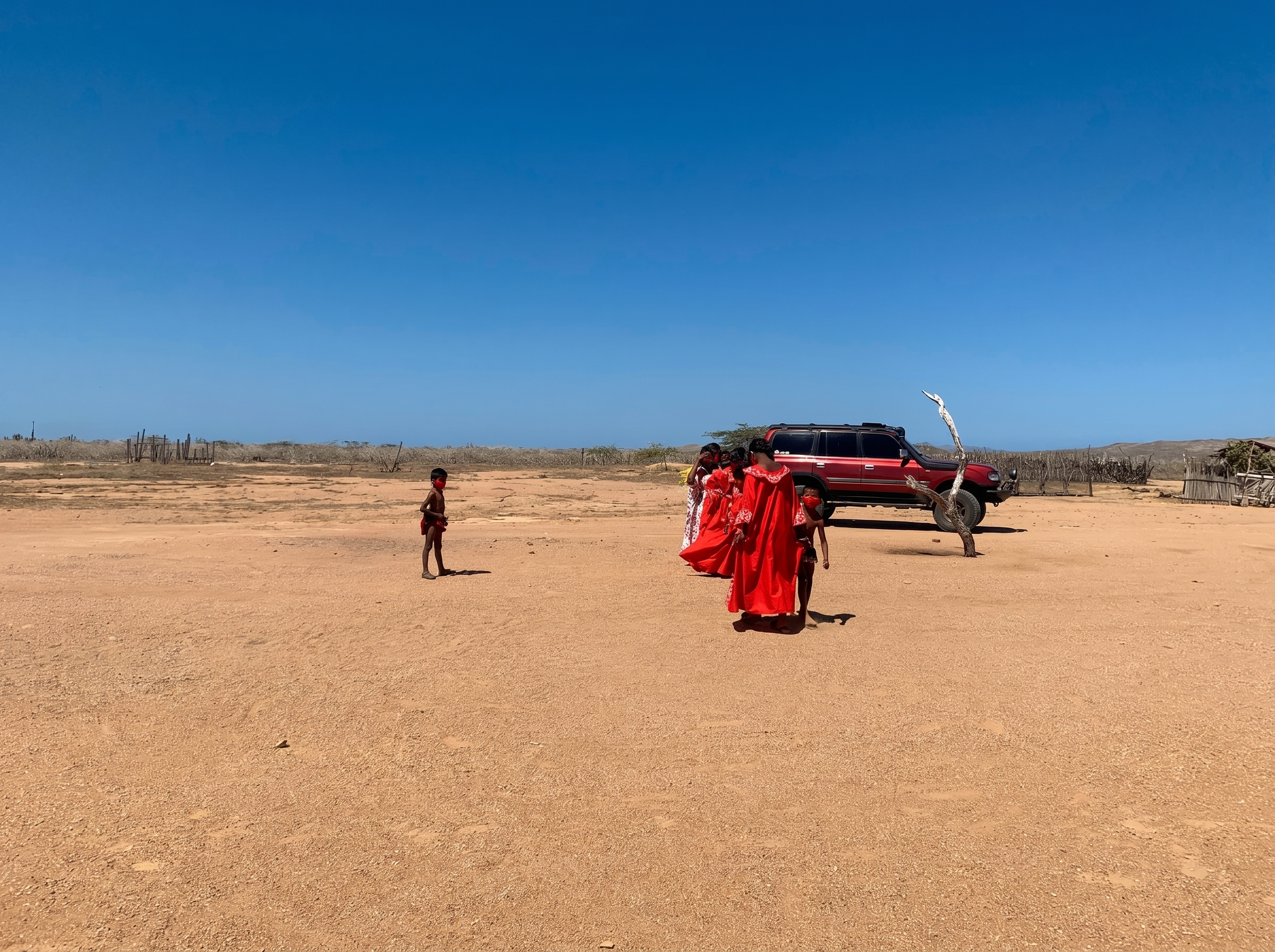
Desierto de La Guajira con presencia humana y ranchería Wayuu al fondo
The territory is not a secondary setting: it is part of the living memory of the Wayuu clans. Photo: History Travelers
According to Wayuu oral tradition, belonging to the clan not only organizes kinship: it also orders the relationship between people, the territory, and the memory of those who came before.

Why can't members of the same clan marry?

Within the Wayuu social organization, marriage is inseparable from kinship. Generally, unions between members of the same clan are restricted because they share the same maternal lineage. This is not a decorative rule or a secondary custom: it is part of the very structure of the social system.

This rule demonstrates the extent to which the clan has a concrete function in daily life. Knowing which clan a person belongs to is not merely a folkloric curiosity. It has real implications for how alliances are formed, kinship boundaries are respected, and balance is maintained between family groups.

A rule that orders links

From an outsider's perspective, this restriction might seem like just a marriage ban. But within the Wayuu worldview, it serves a broader purpose: regulating family relationships and preserving the kinship structure.

In this sense, the clan system is not a symbolic list. It is a social architecture that organizes how bonds are built and how close kinship is kept from being confused with alliances that should occur between different lineages.

What are the totems of the Wayuu clans?

When discussing Wayuu clans online, the idea often arises that each clan is associated with an animal or symbol. This is one of the topics that must be approached with caution, because the correspondences can vary depending on the source, and it is not always accurate to present them as if there were a single, fixed, and universal list.

The most prudent approach is to explain that in various narratives and informational materials, some clans are linked to symbols or identity markers. However, these associations should not be reduced to a rigid, uncontextualized list.

The symbolic value of these references

To speak of totems or clan symbols is to speak of a form of cultural representation. In some cases, these symbols embody memory, prestige, differences between lineages, and ways of narrating origin or family identity.

Why it's best to avoid simplifications

Many publications turn these symbols into an exact list of equivalencies, as if all Wayuu families interpreted them in the same way. This kind of simplification can be useful for getting clicks, but it usually loses depth and rigor.

Element How to treat it rigorously What to avoid
Totem or symbol Present it as an association mentioned in some sources or accounts To claim that all families understand it the same way
Meaning Explain that it can vary depending on the cultural context and oral history. Reduce it to a decorative label
Relationship with the clan Treat it as part of a complex symbolic identity Publish rigid equivalences without nuance

Why are clans so important?

From an outsider's perspective, the clan might simply appear to be a category of origin. But within Wayuu culture, its importance is far greater. The clan determines belonging, family ties, traditional marriage norms, support mechanisms, and methods of mediation when conflicts arise.

It is also a means of transmitting knowledge. Through the clan, family memory is preserved, cultural identity is reinforced, and forms of authority that continue to hold weight in community life are maintained.

✦ The clan organizes identity and kinship.
✦ It regulates rules for marriage.
✦ It helps to structure conflict mediation.
✦ It protects memory and cultural continuity.
✦ It remains relevant today.

The relationship between clans and traditional authority

Authority in the Wayuu world is not understood solely through formal positions. It also stems from family prestige, the experience of elders, the capacity for mediation, and community recognition. Within this framework, the clan provides the sense of belonging from which individuals participate in social life.

Therefore, clan and authority are not separate issues. Belonging to a lineage helps explain how certain responsibilities are constructed and how processes of agreement, representation, and mutual respect are sustained within the community.

The relationship with the wordsmiths

When discussing conflict resolution in Wayuu culture, one essential figure emerges: the palabrero or pütchipü'üi. Their role is linked to mediation, dialogue, and the search for agreements between families or lineages. Understanding the clans also helps to understand why this figure is so important.

Many conflicts are not understood individually, but rather within a broader network of family relationships. In this context, mediation requires a deep understanding of kinship, the obligations between groups, and how to restore balance.
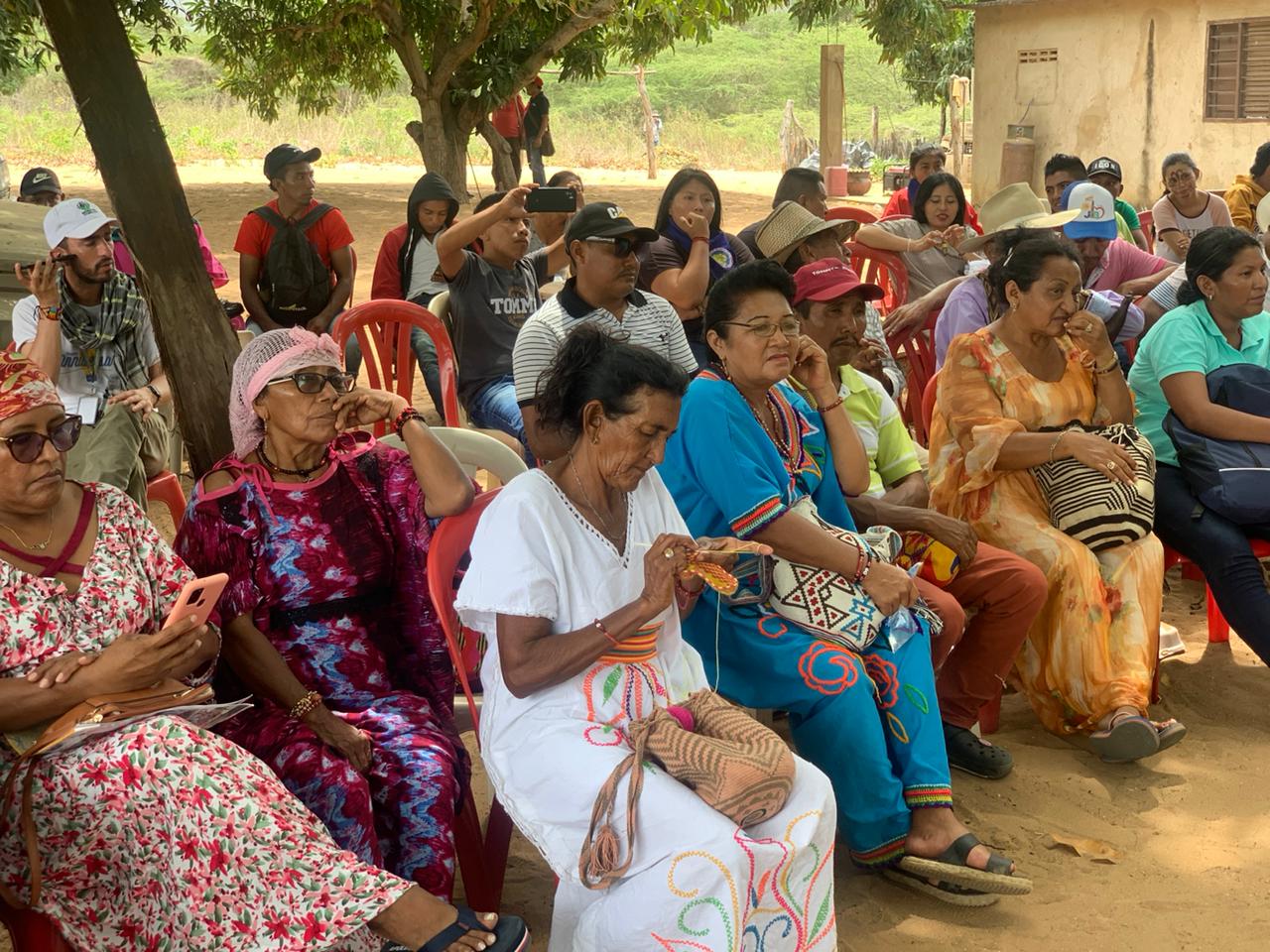
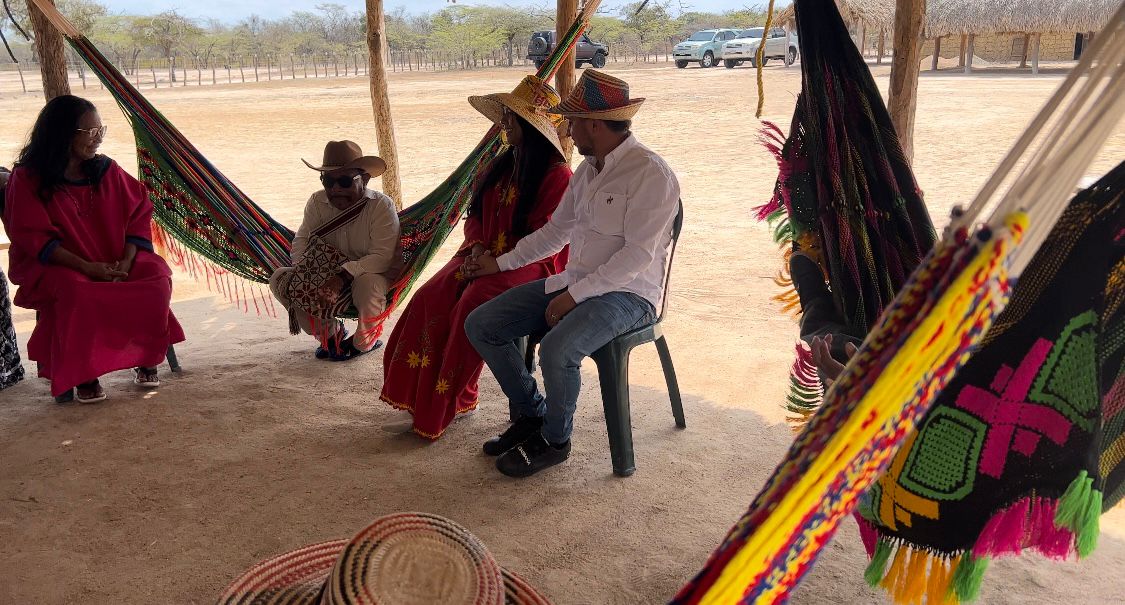
Reunión comunitaria Wayuu que sugiera diálogo, autoridad y transmisión oral
Words, mediation, and kinship remain key to understanding traditional Wayuu authority. Photo: History Travelers

How is the Wayuu family organized?

The Wayuu family is not limited to the nuclear family of parents and children. It is organized as an extensive kinship network where the maternal line, elders, maternal uncles, and the clan form a structure of support and continuity. This collective vision helps to understand why belonging to the lineage is so important.

The ranchería as a living space

The ranchería is not just a collection of houses. It is a space where tasks, memories, upbringing, and decisions are shared. There, belonging to the clan becomes visible in daily life: in who teaches, who represents, who accompanies, and who protects.

The transmission of ancestral knowledge

In Wayuu culture, knowledge is not only transmitted through written means. It is also passed on through conversation, observation, daily life, ceremonies, weaving, and the words of elders. The clan serves as one of the frameworks that sustains this transmission.

Current importance of the Wayuu clans

It might seem that urbanization, modern schooling, migration, or social media have completely weakened clan organization. But the reality is more complex. Although lifestyles change, clan membership remains a central point of reference for many Wayuu people both within and outside the rancherías (settlements).

This is evident in the way family memory is preserved, kinship ties are recognized, and the weight of maternal origin is maintained even in urban contexts like Riohacha, Maicao, or Maracaibo. Modernity did not automatically erase the logic of clans. In many cases, it coexists with it, transforms it, or creates tension within it, but it does not make it disappear.

Wayuu clans, territory and life in La Guajira

Understanding the Wayuu clans also requires looking at the territory. La Guajira is not only where the Wayuu people live: it is an active part of their collective memory. The desert, the sea, family routes, settlements, and water sources form a cultural geography where lineage takes on meaning.

For many travelers, La Guajira initially appears as an extreme landscape. But when you listen to the people who live there, the landscape changes completely. It ceases to be a postcard image. It becomes family memory, a sense of belonging, a shared history.
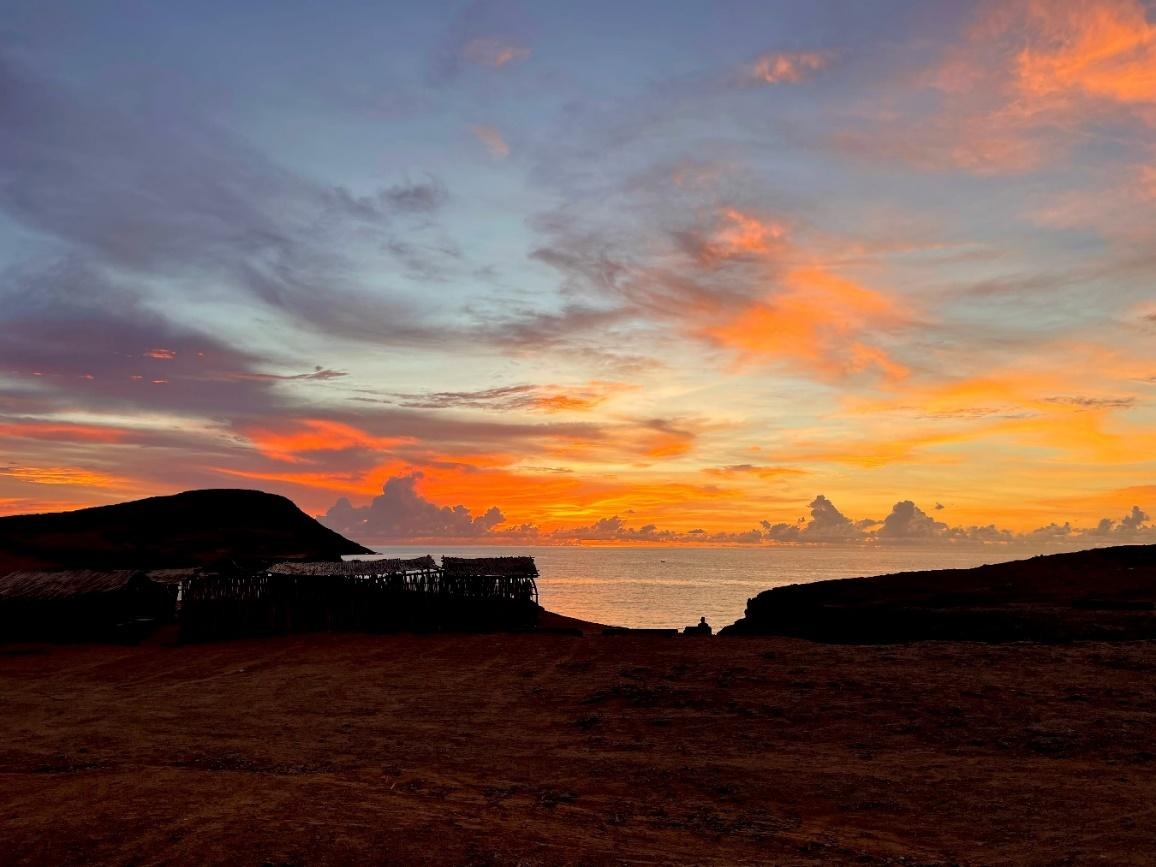
Camino en la Alta Guajira atravesando desierto y cercanía al mar Caribe
In La Guajira, the territory is not merely contemplated: it is inhabited, remembered, and passed down. Photo: History Travelers

The ranchería as a center of belonging

The ranchería embodies an essential part of collective life. There, the continuity of the clan is expressed through child-rearing, intergenerational conversation, and the preservation of cultural practices. For those who visit La Guajira with respect, understanding this space completely transforms the travel experience.

· · ·

Interesting facts about the Wayuu clans that help to understand their depth

They are not a relic of the past

The clans do not belong in a museum or to a closed history. They remain alive in the identity of many Wayuu families and continue to influence the way they understand kinship, alliances, and memory.

They cannot be explained solely from a tourism perspective.

Many people first hear about the clans during a trip to La Guajira. But turning the topic into a tourist anecdote diminishes its meaning. The clans don't exist to feed exoticism, but as part of a complex and vibrant social structure.

Orality remains a great teacher

Much of the knowledge about lineages, norms, and origin stories has been passed down through generations via oral tradition. In the Wayuu world, memory is not solely based on the written word.

Understanding them requires humility

Not everything can be reduced to a quick table or a school definition. Some dimensions of the Wayuu world are best understood by listening respectfully and accepting that cultural depth doesn't always fit into a short formula.

Frequently asked questions about the Wayuu clans

What are the Wayuu clans in simple terms?

They are lineages or descent groups that organize the social, family and cultural life of the Wayuu people.

How many Wayuu clans exist?

There is no single number accepted by all sources. Many references mention between 25 and 30 main clans, although there may be variations.

Are there really 30 Wayuu clans?

The figure appears frequently on the internet, but it should be treated as a reference for information purposes and not as a closed and indisputable truth.

How is the Wayuu clan inherited?

It is inherited through the maternal line. Children belong to their mother's clan.

Why doesn't a surname always define a clan?

Because a legal surname does not replace the cultural logic of lineage or family and community memory.

What does it mean that Wayuu society is matrilineal?

This means that the main lineage and belonging to the lineage are transmitted through the mother.

What is the role of the maternal uncle?

It usually occupies an important place in the guidance, representation and accompaniment of the younger members of the extended family.

Why can't members of the same clan marry?

Because they share the same maternal lineage and the Wayuu kinship system regulates these unions to preserve social and family order.

What relationship do the Wayuu clans have with the territory?

A deep relationship. The territory is part of the memory, daily life, and cultural continuity of the lineages.

Do all clans have a totem?

Many materials refer to representative symbols or associations, but it is not advisable to present these equivalences as if they were uniform across all sources.

Which Wayuu clans are the most well-known?

Among the most mentioned are Epieyú, Pushaina, Uriana, Ipuana, Jusayú and Epinayú, among others.

Is the clan system still in effect today?

Yes. Although it has undergone transformations, it remains a central reference point for many Wayuu people.

Are Wayuu clans the same as Wayuu surnames?

No. Sometimes they are related, but they should not be automatically confused.

What role do clans play in conflict resolution?

They help to structure the family relationships involved and connect with traditional forms of mediation, agreement, and reparation.

What is the most important thing to understand about the Wayuu clans?

They are not an isolated folkloric fact, but a living foundation of the social organization, memory, and identity of the Wayuu people.

Final table to understand the logic of the Wayuu clans

Key question Short answer Main idea
What is a Wayuu clan? A lineage of social and cultural belonging It organizes identity, kinship, and memory
How is it inherited? Through the mother Wayuu society is matrilineal
Is it equivalent to a surname? Not always Lineage goes beyond the administrative record
Is it only useful for identifying origin? No It also regulates marriage, mediation, and relationships
Is it still in effect? Yeah It continues to be key for many Wayuu families

Conclusion

The Wayuu clans are not a static list to memorize, nor an ethnographic curiosity to be repeated out of context. They are a living way of organizing family, lineage, authority, memory, and the relationship with the land. Understanding them requires listening more carefully, simplifying less, and accepting that some of their deepest truths cannot be fully captured in a school definition.

Learning about them from afar is possible. But hearing about them within the territory, alongside those who experience them as part of their daily history, completely changes the understanding of La Guajira.

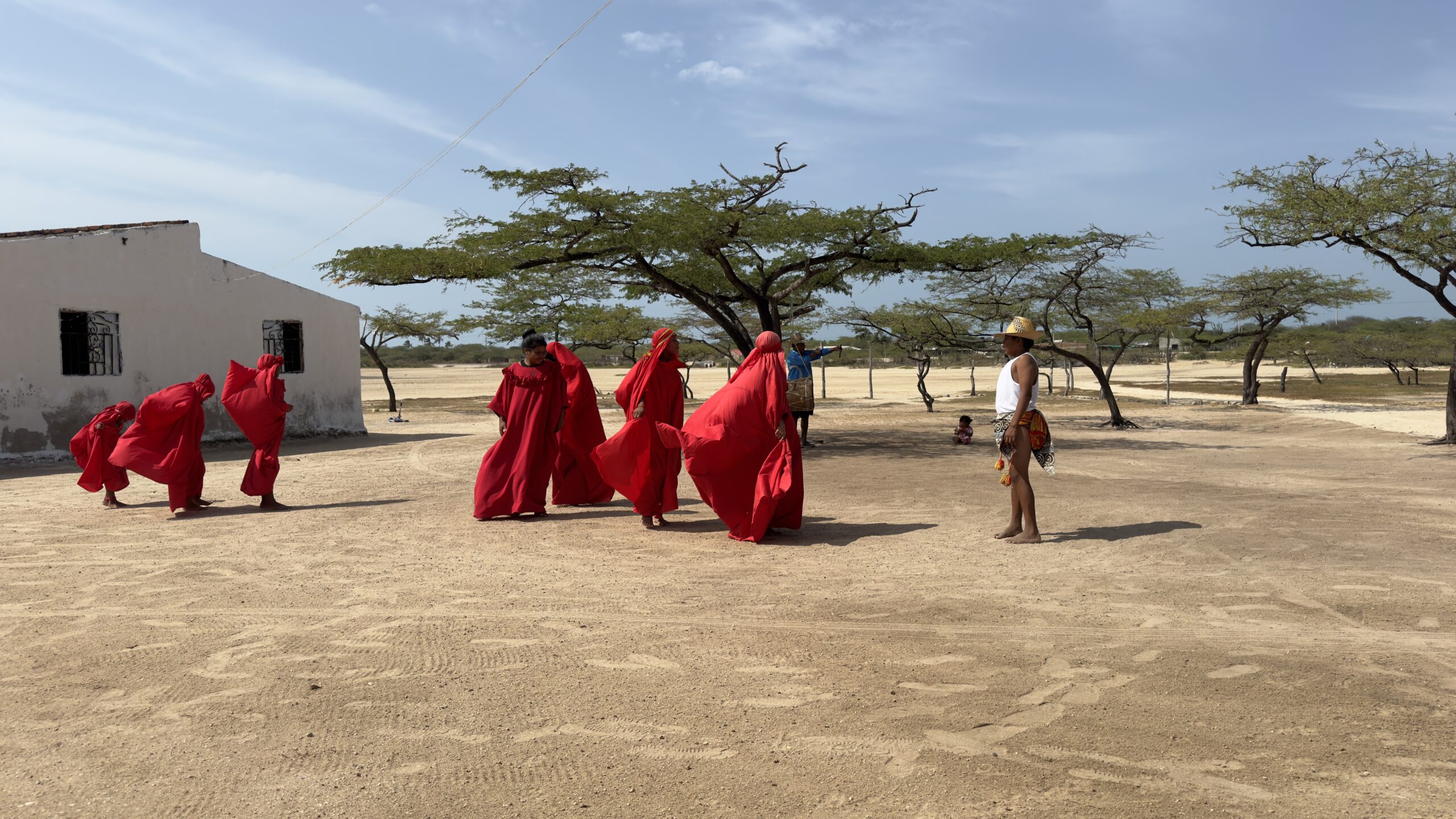
Autoridad tradicional o mayor Wayuu en un entorno natural de La Guajira
Listening to the territory through its communities completely transforms the experience of La Guajira. Photo: History Travelers

Continue exploring the Wayuu culture

If this topic piqued your interest, it's also worth delving deeper into the Wayuu worldview, in the figure of Wayuu palabrero, in the meaning of Jepirra, in the history of the Wayuu backpacks, in the value of Wayuu hammock and in the cultural landscapes of the Upper Guajira, Cape of the Sail, Punta Gallinas y Riohacha.

A natural invitation to experience it in the territory

Understanding the Wayuu clans from a book is possible.

But hearing them from those who belong to them completely transforms the experience.

During our cultural expeditions we share this knowledge with traditional Wayuu authorities.

Leave a Reply

Your email address will not be published. Required fields are marked *

Ready to explore? Book via WhatsApp
Link copied!
Clanes Wayuu: cuáles son, significado, origen y organización social
Communities

Wayuu Clans: what they are, their meaning, origin and social organization

admin
admin
History Travelers Team
August 6, 2026 27 min read

Before a Wayuu person even says their name, they have often already revealed something more important: which clan they belong to. In La Guajira, that answer is not a minor detail. It is a way of situating oneself in the world. It reveals a lineage, a kinship network, a shared memory, and a way of understanding the relationship between family, territory, and community.

Therefore, discussing the Wayuu clans is not simply about learning a list of surnames. It means approaching the heart of one of the most robust indigenous social organizations in the Americas. The clans continue to give meaning to identity, the kinship system, marriage norms, conflict mediation, and the transmission of knowledge between generations.

It also means entering with respect into a universe that cannot be fully explained using Western categories. Wayuu culture maintains a living matrilineal structure, where the mother transmits the clan, the extended family occupies a central place, and oral tradition remains crucial.

Mujer Wayuu en una ranchería de La Guajira durante una conversación familiar
Clan membership remains a living foundation of Wayuu identity in La Guajira · Photo: History Travelers

In this guide you will find answers to essential questions: what are the Wayuu clans, how many Wayuu clans exist, what is their origin, how does the matrilineal system work, why the surname does not always define the clan, and why this organization remains key to understanding life in La Guajira.

· · ·

What are the Wayuu clans?

Wayuu clans are descent groups that organize the social life of the Wayuu people. Each person is born into a clan and belongs to it throughout their life. This belonging is not a superficial label, but rather a structure of identity, reciprocal obligations, and shared memory.

To say that a clan is simply “a large family” would be a gross oversimplification. In reality, the clan organizes how kinship, protection, authority, and relationships between family groups are understood. Through it, bonds, boundaries, and responsibilities are established that carry real weight in daily life.

Much more than a surname

One of the most frequent misunderstandings occurs when attempting to translate the clan name directly into the language of surnames. Although some Wayuu surnames are widely known, the clan name does not automatically equate to the legal surname. Clan lineage follows its own cultural logic, transmitted by the family and recognized within the community.

Therefore, when someone asks about the Wayuu clans, they are actually asking about a historical form of organization that has survived for centuries. It's not an administrative fact: it's a way of belonging.

The clan as the basis of collective life

Within the Wayuu organization, the clan helps define support networks, kinship norms, and mediation processes. It also influences how the memory of elders is preserved and how cultural knowledge is transmitted.

✦ The clan defines cultural and family belonging.
✦ It's not just about a surname.
✦ It organizes kinship, authority, and memory.
✦ It remains fundamental to Wayuu life today.

How does the Wayuu matrilineal system work?

One of the best-known features of Wayuu society is its matrilineal nature. This means that clan membership is inherited through the maternal line. Children belong to their mother's clan, and this logic has profound implications for how kinship, family representation, and lineage continuity are understood.

In many Western societies, the paternal surname often occupies the center of family identity. In the Wayuu world, something different occurs. The mother transmits the clan, and a large part of the social organization is structured around this maternal line.

Familia Wayuu reunida en una ranchería mostrando distintas generaciones
The maternal line articulates the continuity of the clan and the transmission of the lineage. Photo: History Travelers

The mother transmits the lineage

Clan membership is received at birth. It does not depend on a later choice or a paperwork process. From the Wayuu perspective, this lineage determines a person's position within the community and explains why the female line is so important.

The role of the maternal uncle

Within the matrilineal system, the maternal uncle typically occupies a central position. In many Wayuu families, his presence is crucial in processes of guidance, support, mediation, and representation. This helps to understand that family authority is not distributed in exactly the same way as in smaller, Western domestic models.

In the Wayuu world, family does not end at the immediate home. It extends to the clan, to elders, and to a network of mutual obligations that sustains collective life.

Why doesn't a surname always define a clan?

Many people seek answers about Wayuu clans through surnames. This is a logical reaction, but insufficient. A surname can offer clues, but it doesn't replace family memory or community recognition of lineage.

Furthermore, the relationship between Indigenous peoples and state systems has resulted in translations, simplifications, and adaptations of names over time. Therefore, identifying a clan solely by surname can lead to errors.

The most important thing is to understand that the clan is not born from the civil registry, but from a much older cultural organization, sustained by oral tradition, family genealogy and community life.

· · ·

How many Wayuu clans exist?

This is one of the most frequently asked questions online, and also one of the most difficult to answer with a single number. The most accurate answer is that there is no absolute consensus. Various studies, compilations, and community voices mention between 25 and 30 main clans, although some sources include more names due to subdivisions, regional variations, or differences in how lineages are recorded.

That's why it's so common to find searches like "30 Wayuu clans," "how many Wayuu clans are there," or "what are the Wayuu clans." The problem isn't the question itself, but rather expecting a closed and unchanging list for a living and complex tradition.

✦ Many sources mention between 25 and 30 main clans.
✦ Not all lists agree with each other.
✦ Some differences are due to regional or family variations.
✦ What is essential is not just the number, but the social function of the clan.

The most honest thing to do is to acknowledge that there are clans frequently mentioned in different references, but that the Wayuu system cannot always be confined to a rigid table.

Frequently mentioned Wayuu clans

Among the names that appear most frequently in various materials about Wayuu culture are Epieyú, Pushaina, Uriana, Ipuana, Jusayú, Epinayú, Sapuana, Jayariyú, Uliana, Pausayú, Apshana, and Siijuana, among others. Presenting them as frequently mentioned clans is more accurate than offering a definitive, unnuanced list.

Paisaje de La Guajira que evoque territorio, memoria y linaje Wayuu
Clans are not just names: they are also related to memory, territory, and cultural continuity. Photo: History Travelers

Indicative table of frequently mentioned Wayuu clans

The following table is for guidance only. It is not intended to replace oral tradition or establish a single truth, but rather to offer a useful reference for the reader.

Clan or lineage mentioned Frequent presence in informative lists Observation
Epieyú High It appears regularly in references about Wayuu clans.
Pushaina High It is one of the best-known names inside and outside of La Guajira.
Uriana High Frequently cited in explanations about Wayuu lineages.
Ipuana High Frequently mentioned in family and cultural contexts.
Jusayú Medium-High It usually appears on extensive lists of clans.
Epinayú Medium-High Present in educational and cultural materials.
Sapuana Average Name cited with some frequency depending on the source.
Jayariyu Average It may appear with spelling variations.
Uliana Average It can also appear with variable writing.
Pausayú Average Its presence depends on the type of list consulted.
Apshana Average Mentioned in some compilations about Wayuu lineages.
Sijona Average It may appear on lists that do not always match each other.

What is the origin of the Wayuu clans?

The origin of the Wayuu clans cannot be explained solely through a written chronology. Part of their profound meaning resides in oral tradition, in the stories passed down by elders, and in a way of understanding the world where family, territory, and memory are inseparable. Asking about the origin of the clans is not only asking when they emerged, but also how they are understood within the Wayuu way of life.

According to Wayuu oral tradition, lineages are part of an ancient cultural structure, linked to the balance between people, the community, and the territory. In this context, the clan is not an administrative invention or a recent label: it is a historical way of organizing collective existence.

Written history and oral memory

Academic research helps to describe and contextualize the Wayuu organization, but it does not exhaust its meaning. Much of the depth of the clans is sustained by the word of the elders, by family transmission, and by the stories that continue to circulate in rancherías and community gatherings.

Recognizing this does not weaken rigor. On the contrary: it prevents presenting as absolute truth what in many cases belongs to a living tradition, with nuances, variations, and meanings that cannot always be fixed in a single way.

Territory, water, desert, and lineage

The Wayuu clans cannot be understood apart from their territory. La Guajira is not simply a geographical setting. It is a cultural geography where the desert, the rancherías, the family routes, the water sources, and the relationships between communities form part of a shared memory.

Desierto de La Guajira con presencia humana y ranchería Wayuu al fondo
The territory is not a secondary setting: it is part of the living memory of the Wayuu clans. Photo: History Travelers
According to Wayuu oral tradition, belonging to the clan not only organizes kinship: it also orders the relationship between people, the territory, and the memory of those who came before.

Why can't members of the same clan marry?

Within the Wayuu social organization, marriage is inseparable from kinship. Generally, unions between members of the same clan are restricted because they share the same maternal lineage. This is not a decorative rule or a secondary custom: it is part of the very structure of the social system.

This rule demonstrates the extent to which the clan has a concrete function in daily life. Knowing which clan a person belongs to is not merely a folkloric curiosity. It has real implications for how alliances are formed, kinship boundaries are respected, and balance is maintained between family groups.

A rule that orders links

From an outsider's perspective, this restriction might seem like just a marriage ban. But within the Wayuu worldview, it serves a broader purpose: regulating family relationships and preserving the kinship structure.

In this sense, the clan system is not a symbolic list. It is a social architecture that organizes how bonds are built and how close kinship is kept from being confused with alliances that should occur between different lineages.

What are the totems of the Wayuu clans?

When discussing Wayuu clans online, the idea often arises that each clan is associated with an animal or symbol. This is one of the topics that must be approached with caution, because the correspondences can vary depending on the source, and it is not always accurate to present them as if there were a single, fixed, and universal list.

The most prudent approach is to explain that in various narratives and informational materials, some clans are linked to symbols or identity markers. However, these associations should not be reduced to a rigid, uncontextualized list.

The symbolic value of these references

To speak of totems or clan symbols is to speak of a form of cultural representation. In some cases, these symbols embody memory, prestige, differences between lineages, and ways of narrating origin or family identity.

Why it's best to avoid simplifications

Many publications turn these symbols into an exact list of equivalencies, as if all Wayuu families interpreted them in the same way. This kind of simplification can be useful for getting clicks, but it usually loses depth and rigor.

Element How to treat it rigorously What to avoid
Totem or symbol Present it as an association mentioned in some sources or accounts To claim that all families understand it the same way
Meaning Explain that it can vary depending on the cultural context and oral history. Reduce it to a decorative label
Relationship with the clan Treat it as part of a complex symbolic identity Publish rigid equivalences without nuance

Why are clans so important?

From an outsider's perspective, the clan might simply appear to be a category of origin. But within Wayuu culture, its importance is far greater. The clan determines belonging, family ties, traditional marriage norms, support mechanisms, and methods of mediation when conflicts arise.

It is also a means of transmitting knowledge. Through the clan, family memory is preserved, cultural identity is reinforced, and forms of authority that continue to hold weight in community life are maintained.

✦ The clan organizes identity and kinship.
✦ It regulates rules for marriage.
✦ It helps to structure conflict mediation.
✦ It protects memory and cultural continuity.
✦ It remains relevant today.

The relationship between clans and traditional authority

Authority in the Wayuu world is not understood solely through formal positions. It also stems from family prestige, the experience of elders, the capacity for mediation, and community recognition. Within this framework, the clan provides the sense of belonging from which individuals participate in social life.

Therefore, clan and authority are not separate issues. Belonging to a lineage helps explain how certain responsibilities are constructed and how processes of agreement, representation, and mutual respect are sustained within the community.

The relationship with the wordsmiths

When discussing conflict resolution in Wayuu culture, one essential figure emerges: the palabrero or pütchipü'üi. Their role is linked to mediation, dialogue, and the search for agreements between families or lineages. Understanding the clans also helps to understand why this figure is so important.

Many conflicts are not understood individually, but rather within a broader network of family relationships. In this context, mediation requires a deep understanding of kinship, the obligations between groups, and how to restore balance.

Reunión comunitaria Wayuu que sugiera diálogo, autoridad y transmisión oral
Words, mediation, and kinship remain key to understanding traditional Wayuu authority. Photo: History Travelers

How is the Wayuu family organized?

The Wayuu family is not limited to the nuclear family of parents and children. It is organized as an extensive kinship network where the maternal line, elders, maternal uncles, and the clan form a structure of support and continuity. This collective vision helps to understand why belonging to the lineage is so important.

The ranchería as a living space

The ranchería is not just a collection of houses. It is a space where tasks, memories, upbringing, and decisions are shared. There, belonging to the clan becomes visible in daily life: in who teaches, who represents, who accompanies, and who protects.

The transmission of ancestral knowledge

In Wayuu culture, knowledge is not only transmitted through written means. It is also passed on through conversation, observation, daily life, ceremonies, weaving, and the words of elders. The clan serves as one of the frameworks that sustains this transmission.

Current importance of the Wayuu clans

It might seem that urbanization, modern schooling, migration, or social media have completely weakened clan organization. But the reality is more complex. Although lifestyles change, clan membership remains a central point of reference for many Wayuu people both within and outside the rancherías (settlements).

This is evident in the way family memory is preserved, kinship ties are recognized, and the weight of maternal origin is maintained even in urban contexts like Riohacha, Maicao, or Maracaibo. Modernity did not automatically erase the logic of clans. In many cases, it coexists with it, transforms it, or creates tension within it, but it does not make it disappear.

Wayuu clans, territory and life in La Guajira

Understanding the Wayuu clans also requires looking at the territory. La Guajira is not only where the Wayuu people live: it is an active part of their collective memory. The desert, the sea, family routes, settlements, and water sources form a cultural geography where lineage takes on meaning.

For many travelers, La Guajira initially appears as an extreme landscape. But when you listen to the people who live there, the landscape changes completely. It ceases to be a postcard image. It becomes family memory, a sense of belonging, a shared history.

Camino en la Alta Guajira atravesando desierto y cercanía al mar Caribe
In La Guajira, the territory is not merely contemplated: it is inhabited, remembered, and passed down. Photo: History Travelers

The ranchería as a center of belonging

The ranchería embodies an essential part of collective life. There, the continuity of the clan is expressed through child-rearing, intergenerational conversation, and the preservation of cultural practices. For those who visit La Guajira with respect, understanding this space completely transforms the travel experience.

· · ·

Interesting facts about the Wayuu clans that help to understand their depth

They are not a relic of the past

The clans do not belong in a museum or to a closed history. They remain alive in the identity of many Wayuu families and continue to influence the way they understand kinship, alliances, and memory.

They cannot be explained solely from a tourism perspective.

Many people first hear about the clans during a trip to La Guajira. But turning the topic into a tourist anecdote diminishes its meaning. The clans don't exist to feed exoticism, but as part of a complex and vibrant social structure.

Orality remains a great teacher

Much of the knowledge about lineages, norms, and origin stories has been passed down through generations via oral tradition. In the Wayuu world, memory is not solely based on the written word.

Understanding them requires humility

Not everything can be reduced to a quick table or a school definition. Some dimensions of the Wayuu world are best understood by listening respectfully and accepting that cultural depth doesn't always fit into a short formula.

Frequently asked questions about the Wayuu clans

What are the Wayuu clans in simple terms?

They are lineages or descent groups that organize the social, family and cultural life of the Wayuu people.

How many Wayuu clans exist?

There is no single number accepted by all sources. Many references mention between 25 and 30 main clans, although there may be variations.

Are there really 30 Wayuu clans?

The figure appears frequently on the internet, but it should be treated as a reference for information purposes and not as a closed and indisputable truth.

How is the Wayuu clan inherited?

It is inherited through the maternal line. Children belong to their mother's clan.

Why doesn't a surname always define a clan?

Because a legal surname does not replace the cultural logic of lineage or family and community memory.

What does it mean that Wayuu society is matrilineal?

This means that the main lineage and belonging to the lineage are transmitted through the mother.

What is the role of the maternal uncle?

It usually occupies an important place in the guidance, representation and accompaniment of the younger members of the extended family.

Why can't members of the same clan marry?

Because they share the same maternal lineage and the Wayuu kinship system regulates these unions to preserve social and family order.

What relationship do the Wayuu clans have with the territory?

A deep relationship. The territory is part of the memory, daily life, and cultural continuity of the lineages.

Do all clans have a totem?

Many materials refer to representative symbols or associations, but it is not advisable to present these equivalences as if they were uniform across all sources.

Which Wayuu clans are the most well-known?

Among the most mentioned are Epieyú, Pushaina, Uriana, Ipuana, Jusayú and Epinayú, among others.

Is the clan system still in effect today?

Yes. Although it has undergone transformations, it remains a central reference point for many Wayuu people.

Are Wayuu clans the same as Wayuu surnames?

No. Sometimes they are related, but they should not be automatically confused.

What role do clans play in conflict resolution?

They help to structure the family relationships involved and connect with traditional forms of mediation, agreement, and reparation.

What is the most important thing to understand about the Wayuu clans?

They are not an isolated folkloric fact, but a living foundation of the social organization, memory, and identity of the Wayuu people.

Final table to understand the logic of the Wayuu clans

Key question Short answer Main idea
What is a Wayuu clan? A lineage of social and cultural belonging It organizes identity, kinship, and memory
How is it inherited? Through the mother Wayuu society is matrilineal
Is it equivalent to a surname? Not always Lineage goes beyond the administrative record
Is it only useful for identifying origin? No It also regulates marriage, mediation, and relationships
Is it still in effect? Yeah It continues to be key for many Wayuu families

Conclusion

The Wayuu clans are not a static list to memorize, nor an ethnographic curiosity to be repeated out of context. They are a living way of organizing family, lineage, authority, memory, and the relationship with the land. Understanding them requires listening more carefully, simplifying less, and accepting that some of their deepest truths cannot be fully captured in a school definition.

Learning about them from afar is possible. But hearing about them within the territory, alongside those who experience them as part of their daily history, completely changes the understanding of La Guajira.

Autoridad tradicional o mayor Wayuu en un entorno natural de La Guajira
Listening to the territory through its communities completely transforms the experience of La Guajira. Photo: History Travelers

Continue exploring the Wayuu culture

If this topic piqued your interest, it's also worth delving deeper into the Wayuu worldview, in the figure of Wayuu palabrero, in the meaning of Jepirra, in the history of the Wayuu backpacks, in the value of Wayuu hammock and in the cultural landscapes of the Upper Guajira, Cape of the Sail, Punta Gallinas y Riohacha.

A natural invitation to experience it in the territory

Understanding the Wayuu clans from a book is possible.

But hearing them from those who belong to them completely transforms the experience.

During our cultural expeditions we share this knowledge with traditional Wayuu authorities.
Did you like this story?
Share it and help more travelers discover La Guajira
admin
Written by
admin

Traveler and storyteller from La Guajira. Passionate about Wayuu culture and the landscapes of the Colombian Caribbean.