Wayuu worldview
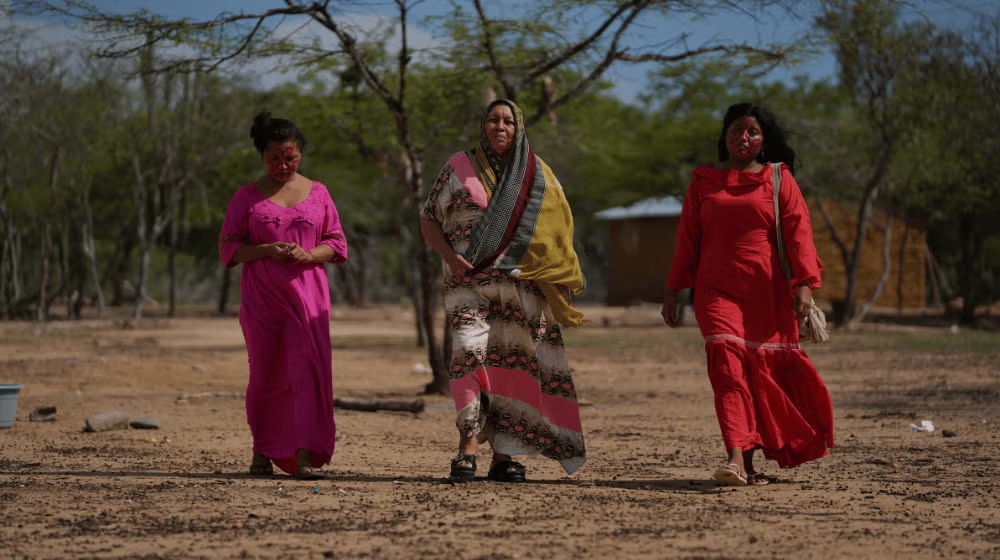
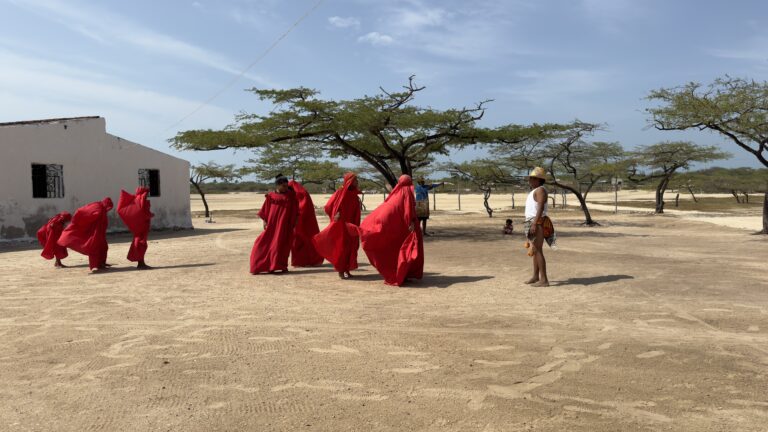
For the Wayuu people, the world neither begins nor ends with what is visible. The desert, the wind, the rain, dreams, animals, the wisdom of elders, and the land are all part of the same tapestry. This, in essence, is the Wayuu worldview: a way of understanding life where nature, spirituality, memory, and community are inseparable. To speak of the Wayuu worldview is not to speak of an isolated belief or a set of myths disconnected from the present. It is to speak of a living way of understanding origin, balance, death, family, dreams, and the relationship between people and their ancestral territory in La Guajira. Therefore, when someone tries to understand Wayuu culture solely through crafts, tourism, or desert landscapes, they remain on the surface. The worldview is the deep root: the invisible structure that gives meaning to the clans, to language, to authority, to rituals, and to the relationship with nature. In Wayuu culture, territory, memory, and spirituality are part of a single worldview. Photo: History Travelers. In this guide, we will answer the questions: What is the Wayuu worldview? What are its main elements? What role do Maleiwa, Juyá, and Pulowi play? How are dreams understood? What is the relationship with nature? And why does this worldview remain essential for understanding life in La Guajira? What is the Wayuu worldview? The Wayuu worldview is how this indigenous people interprets the world, the origin of life, the relationship between human beings and nature, the role of spirits, the value of territory, and the meaning of existence. It is not just about religion, nor is it just about oral tradition. It is a holistic way of understanding reality. In this worldview, life is not divided into separate compartments. The material and spiritual worlds interact. Dreams have meaning. Death is not understood as an absolute rupture. Territory is not just a physical space. And the word of the elders retains profound authority. A Way of Understanding Balance: More than an abstract system of ideas, the Wayuu worldview guides daily life. It is present in the way they name their territory, in their relationship with the cycles of rain and drought, in the interpretation of dreams, in their respect for elders, and in how they interpret illness, death, and family ties. Therefore, to speak of the Wayuu worldview is to speak of balance. The balance between community and nature. Between memory and the present. Between the visible and the invisible. It is not a relic of the past. One of the most common mistakes is thinking that the Wayuu worldview belongs only to the past. In reality, it is still alive. It can transform, engage with the contemporary world, and adapt to new contexts, but it continues to be a profound reference point for many Wayuu communities in Colombia and Venezuela. ✦ The Wayuu worldview unites nature, spirituality, and community. ✦ It explains the relationship between territory, dreams, memory, and daily life. ✦ It is not an isolated belief, but a comprehensive vision of the world. ✦ It remains alive in contemporary Wayuu culture. Territory and Nature in the Wayuu Worldview In the Wayuu vision, territory is not simply a landscape. La Guajira is not just sand, salt, wind, and sea. It is an ancestral space imbued with memory, signs, relationships, and spiritual meaning. There, every natural element can be linked to a story, a lesson, or a form of cultural guidance. Therefore, to understand the Wayuu worldview, one must first stop viewing the territory as a decorative backdrop. The desert, water, rain, animals, and wind are not merely resources of the environment: they are part of a living relationship between the community and the world. Rain and Drought as Cultural Forces In a land marked by the contrasts between aridity and water, rain is not understood only as a climatic phenomenon. It has a symbolic and vital presence. The same is true of drought, winds, and the natural cycles that shape life in the territory. Within the Wayuu worldview, these forces are not always separate from spirituality. The natural environment has a cultural depth that cannot be translated solely with technical categories. For the Wayuu people, territory is memory, spiritual guidance, and cultural continuity. Photo: History Travelers. Maleiwa, Juyá, and Pulowi in the Wayuu Cosmovision. When explaining the Wayuu cosmovision, fundamental names like Maleiwa, Juyá, and Pulowi often appear. Although the internet often reduces them to a quick list of “Wayuu gods,” their meaning is more complex and should be approached with care. Maleiwa is presented in many sources as a central creator figure within the Wayuu mythical universe. Juyá is associated with rain and fertility. Pulowi, for his part, is usually related to feminine forces, the wild land, the winds, or dimensions of power and danger, depending on the context of the story. Why it's not advisable to oversimplify them. Translating these figures solely into the language of “gods” can be useful as an initial approach, but it falls short. The Wayuu cosmovision does not always fit well into Western religious equivalents. Therefore, it is best to present them as fundamental figures of the Wayuu symbolic universe, recognizing that their interpretation may vary depending on the story, the community, or the source. Figure Frequent Association How to treat it rigorously Maleiwa Central creator figure Present it as a key reference of the Wayuu mythical universe, avoiding excessive simplifications. Juyá Rain, fertility, life force Explain its connection to nature and the cycles of the territory. Pulowi Feminine forces, territory, power, risk Recognize that their meanings may vary according to the stories and traditions. The word of the elders and oral transmission Much of the Wayuu worldview is transmitted orally. It does not live
Wayuu Clans: what they are, their meaning, origin and social organization
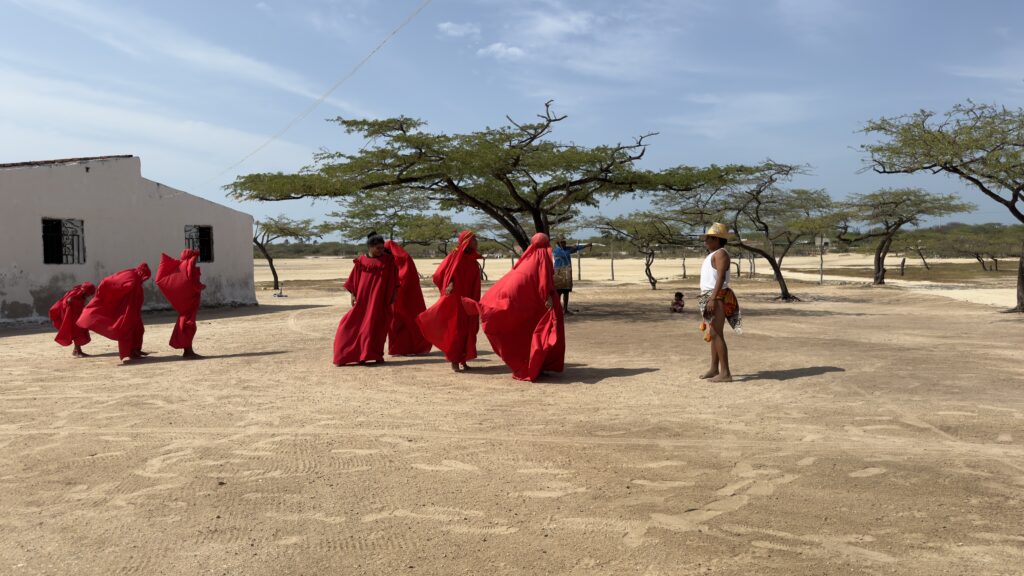
Learn about the Wayuu clans, their origin, social organization, matrilineal system, the totems of each clan, and why they continue to be the heart of Wayuu culture in La Guajira.
Excursions to La Guajira
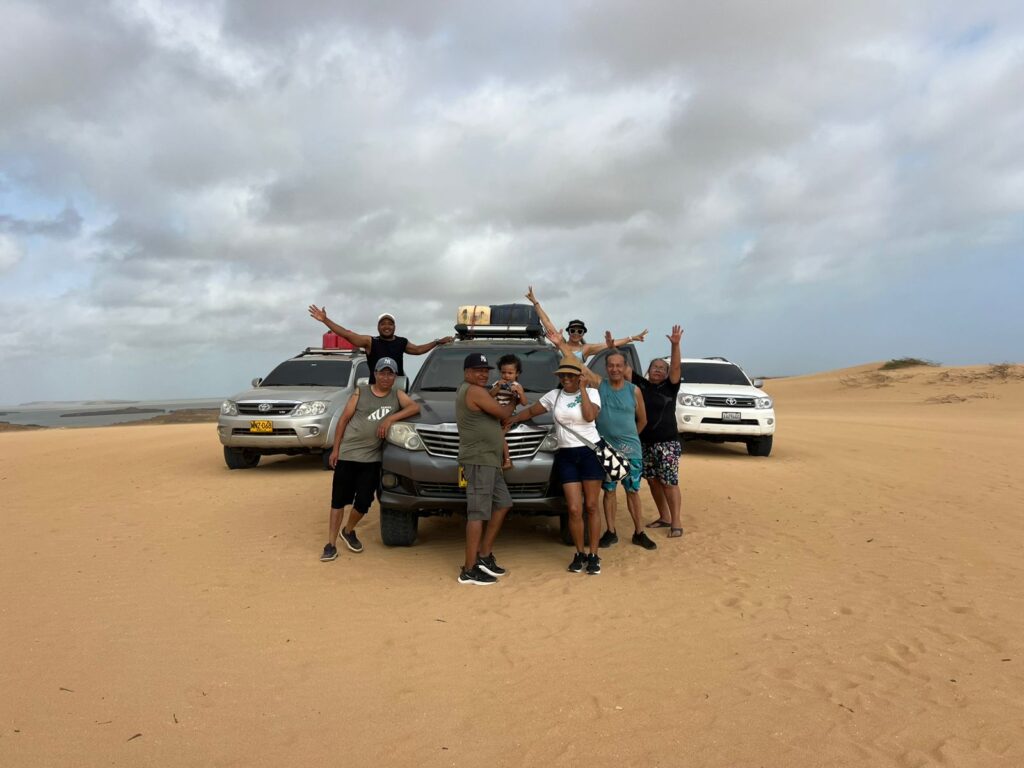
Tours to La Guajira with the highest-rated tour operator in La Guajira. Over 1,000 reviews, thousands of travelers, and 6 Travelers' Choice awards. Cabo de la Vela, Punta Gallinas, Wayuu drivers.
History of La Guajira
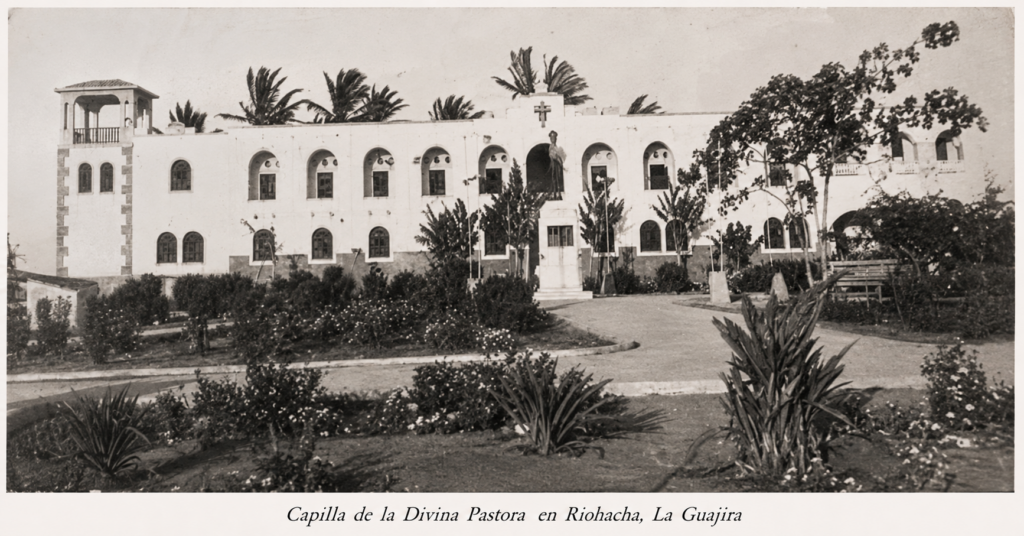
Discover the history of La Guajira: more than 10,000 years of indigenous peoples, Wayuu resistance, European exploration, and a culture that still keeps its identity and autonomy alive.
How to Visit La Guajira, Colombia: Tours, Punta Gallinas & Cabo de la Vela Guide

Planning a trip to La Guajira, Colombia? Discover how to get there, visit Punta Gallinas and Cabo de la Vela, choose the best itinerary, travel safely and explore with local guides.
La Guajira, Colombia: A Complete Guide to Visiting It
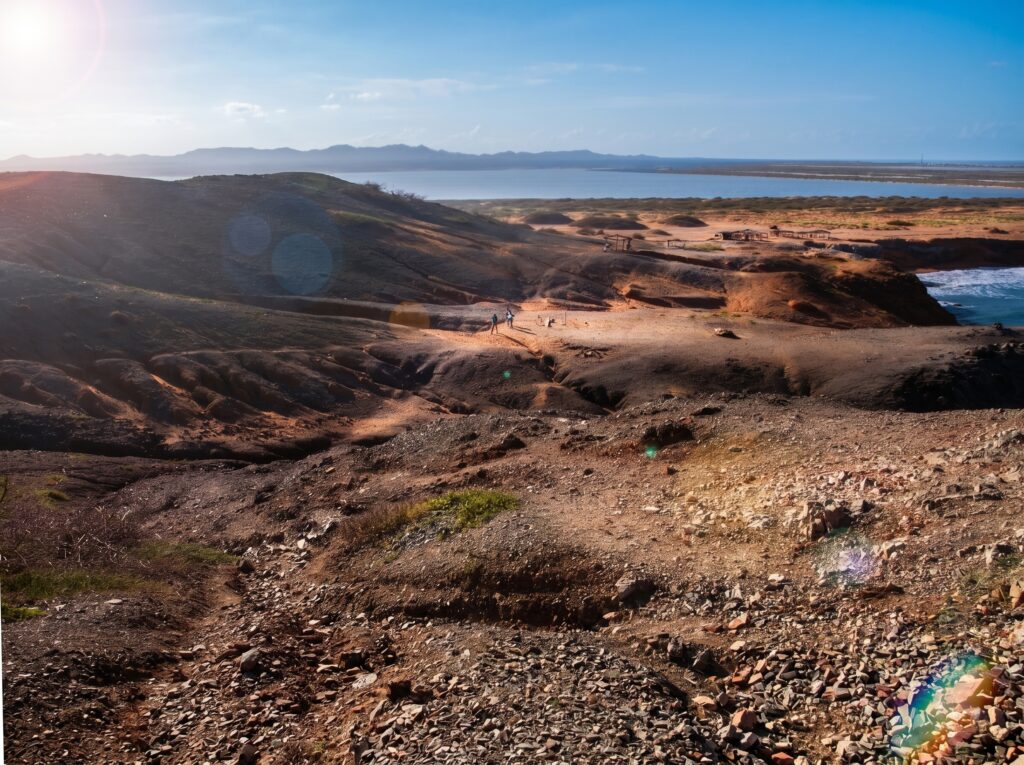
Located at the northernmost tip of the South American continent, La Guajira is a blend of wild landscapes, myths, and legends. There's no great comfort here, but there is a genuine adventure that will transform you. We are from Riohacha. We have been operating tours in La Guajira for over ten years, we know the Wayuu families who run the rancherías personally, and we have traveled every route of this desert in every season. +10 years operating in La Guajira 4.8⭐ 1,120 Google reviews 200 people benefited in communities 27 native Wayuu drivers Key Information La Guajira and its desert The Upper Guajira: where the desert plunges into the Caribbean Sea · Photo: History Travelers Where is La Guajira? Located in the northeasternmost part of the country on the Caribbean Sea, La Guajira is one of the 32 departments of Colombia. It borders Venezuela and covers 20,848 km². Its capital is Riohacha, and its second-largest municipality is Uribia, known as the indigenous capital of Colombia. La Guajira is divided into three zones: Upper Guajira, Middle Guajira, and Lower Guajira. The department has three national parks and is the ancestral home of the Wayuu, the largest indigenous group in Colombia and Venezuela—comprising 451% of the population, more than one million people. Quick Facts — La Guajira Location: Northernmost part of Colombia and South America Capital: Riohacha (direct flights from Bogotá and Medellín) Temperature: 28°C average daytime · rarely drops below 20°C at night Best time to visit: December–April and June–August Recommended tour: 3 days / 2 nights (classic) · 4 days with Macuira Cash: Essential — no ATMs in the desert Getting around: 4x4 jeep tour with local agency from Riohacha Contact: WhatsApp +57 310 2771745 · historytravelersguajira@gmail.com Why visit La Guajira? Travelers come to La Guajira to marvel at an immense expanse of desert that plunges into the turquoise sea and sunsets unlike any other in Colombia. The stunning ecosystems of Macuira National Park fascinate nature lovers, and the culture of the Wayuu—the guardians of La Guajira—captivates all who arrive with open eyes. With its consistent winds, calm waters, and unparalleled visual environment, La Guajira is also a world-renowned kitesurfing paradise. For us, La Guajira means adventure in an extraordinary setting with harsh and demanding natural conditions. That's exactly what makes it unique. Best time to visit ✓ Ideal Dec → Apr Dry, windy, clear skies. Perfect for the desert. Peak season in December-January—book early. ✓ Ideal Jun → Aug Intense heat but fewer tourists. Perfect kitesurfing conditions. History Travelers team's favorite season. ✗ Avoid Oct → Nov Rainy season. Roads impassable. Macuira closes. No reason to go during these dates. ⚠ Be careful in May. It also rains. Check conditions before booking. Holy Week: high prices and crowds. How many days are enough? To discover the desert, the best option is to take a tour from Riohacha. A 3-day (2-night) tour covers Cabo de la Vela and Punta Gallinas. A 4-day (3-night) tour adds Macuira National Park—our most comprehensive recommendation. To simplify logistics, we recommend spending the night before your tour in Riohacha. Local tip: Book at least 2–3 weeks in advance during peak season (December–January, Holy Week). Spaces in the Punta Gallinas rancherías fill up quickly. Contact us via WhatsApp → Zone 01 Visit Upper Guajira The most remote and spectacular territory of La Guajira, in sacred Wayuu lands. Macuira National Park: the desert oasis Macuira National Park is our favorite place in all of La Guajira—and the one that most surprises visitors. A cloud forest in the middle of the desert with waterfalls, orchids, and endemic birds that no one expects to find surrounded by sand and cacti. The gateway is the town of Nazareth. Macuira is generally closed from August to November—confirm availability before booking. See tours that include Macuira → Iconic Destination Cabo de la Vela: The Best Viewpoints in La Guajira The convergence of the desert and the sea creates breathtaking landscapes. The Sugarloaf Mountain—a hill that plunges directly into the Caribbean—and the sunsets from the Lighthouse are moments that travelers remember for years to come. The constant wind also makes it a favorite among kitesurfers worldwide. Going to Cabo de la Vela and not climbing Sugarloaf Mountain at sunset is the one mistake you absolutely cannot make. See Cabo de la Vela tour → Northernmost point of South America Punta Gallinas: the end of a continent The northernmost point of South America is home to the Taroa Dunes — dunes up to 40 meters high that drop directly into the Caribbean Sea. Sandboarding from the top to the water is one of the most exhilarating experiences in Colombia. There are also secluded beaches, Hondita Bay, flamingos, and the northernmost lighthouse on the continent. See the full Alta Guajira tour → Share daily life with the Wayuu The ranchería is the traditional type of accommodation in La Guajira. To enrich your visit with a genuine cultural experience, we recommend staying in a Wayuu ranchería to share their daily life: going fishing, helping with lunch, drawing water from the well, learning to weave a mochila (woven bag), listening to the legends of the elders before falling asleep rocked in a hammock by the desert wind. Moments from the Wayuu Ranchería Experience · Photos: History Travelers How we operate: At History Travelers, we work directly with selected Wayuu families—no intermediaries. We know them personally. When your group arrives, you are greeted by a family that knows us and treats its guests with respect and warmth. Kitesurfing at Punta Gallinas With consistent winds of 25 to 35 knots, Punta Gallinas has three
Wayuu hammocks, an ancestral tradition.🧵
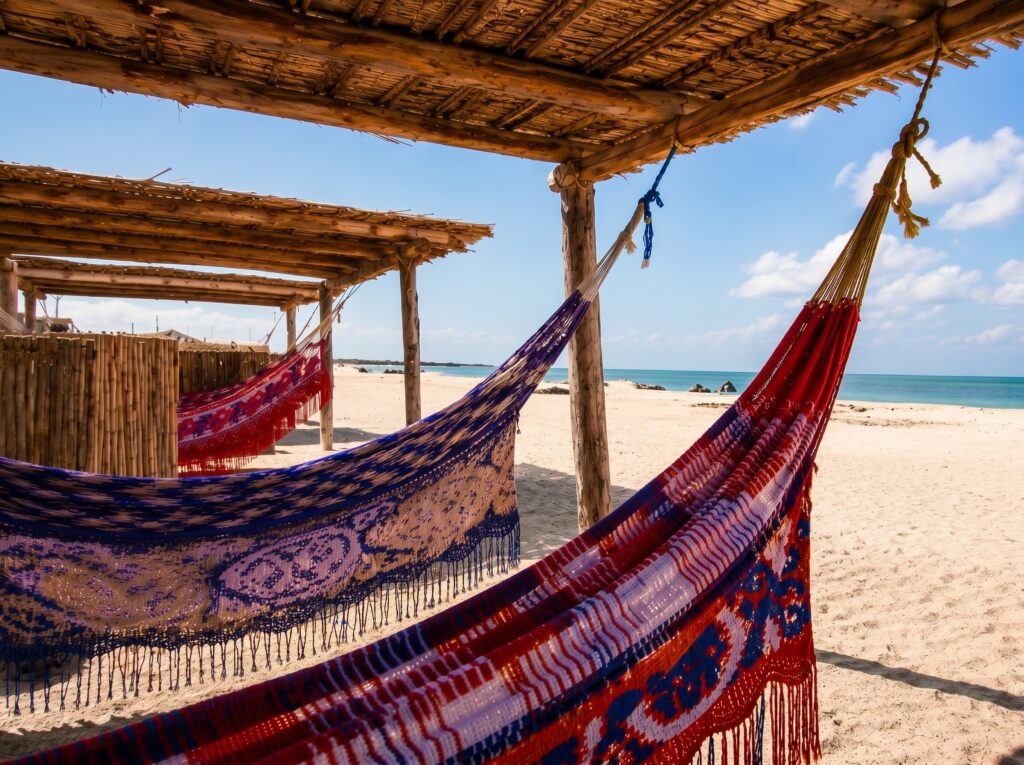
For centuries, the Wayuu indigenous people have inhabited the vast desert region of the Guajira Peninsula. These brave and resilient natives have built their lives in harmony with nature, harnessing the resources of the desert and the sea to thrive. Among the most remarkable Wayuu traditions is the unique craft of the "chinchorros." These authentic masterpieces are hammocks woven with striking decorations that can even bear your name if you wish. The weaving of these pieces is done entirely by hand. Chinchorros not only serve as comfortable places to rest, but they also become testaments to the skill and creativity of this ancient people, considered profound expressions of the community's identity and artistry. Each piece tells a story, passing on the rich cultural tradition from generation to generation. Wayuu women are the artisans behind these beautiful creations, dedicating hours of meticulous work to each chinchorro. The process of making a chinchorro is a ritual in itself. It begins with the careful selection of natural fibers obtained from the region's palm trees. Then, with skill and patience, the women weave the intricate patterns and vibrant colors that characterize these iconic objects. Every detail has meaning, from the colors that represent nature to the patterns that tell stories of daily life, mythology, and the spiritual connection to the land. By immersing yourself in the cultural experience with the Wayuu community, you will have the unique opportunity to learn directly from the women artisans. You will be able to observe the hammock-making process up close, participate in hands-on workshops, and discover the stories woven into every thread. Traveling to La Guajira and visiting the local Wayuu community means not only enjoying the stunning beaches and desert landscapes but also immersing yourself in a living, vibrant culture. By choosing community-based tourism, you directly support local communities, contributing to the preservation of their ancestral traditions and ensuring that the legacy of Wayuu hammocks endures. Embark on an unforgettable journey through the history, craftsmanship, and warmth of the Wayuu people, and take home not only a beautiful hammock, but also the memories of a unique and authentic experience! #CommunityTourism #WayuuHammocks #IndigenousCulture #AuthenticColombia
Behind the Wayuu Makeup
Do you know why the Wayuu people paint their faces? The Wayuu, on a symbolic level, condense their worldview through a spiral figure, which represents the integral unity of the past, present, and future. For some authors, this symbolism, or facial painting, is characterized by imitating the beauty of nature, such as "the fluttering of a butterfly (julirü), the gait of a horse (amakualiyaa), and the tracks of a scorpion (jayutsekualüyaa)," says Kasuusain Herrera Paz, a Wayuu man. What do they use to paint their faces? The designs are created with a substance made by mixing a little water with a chalk called pali'isa, a preparation obtained from a tree of the same name that generally grows in mountainous areas. (Toro, 2017).
Francisco “El Hombre” The Legend
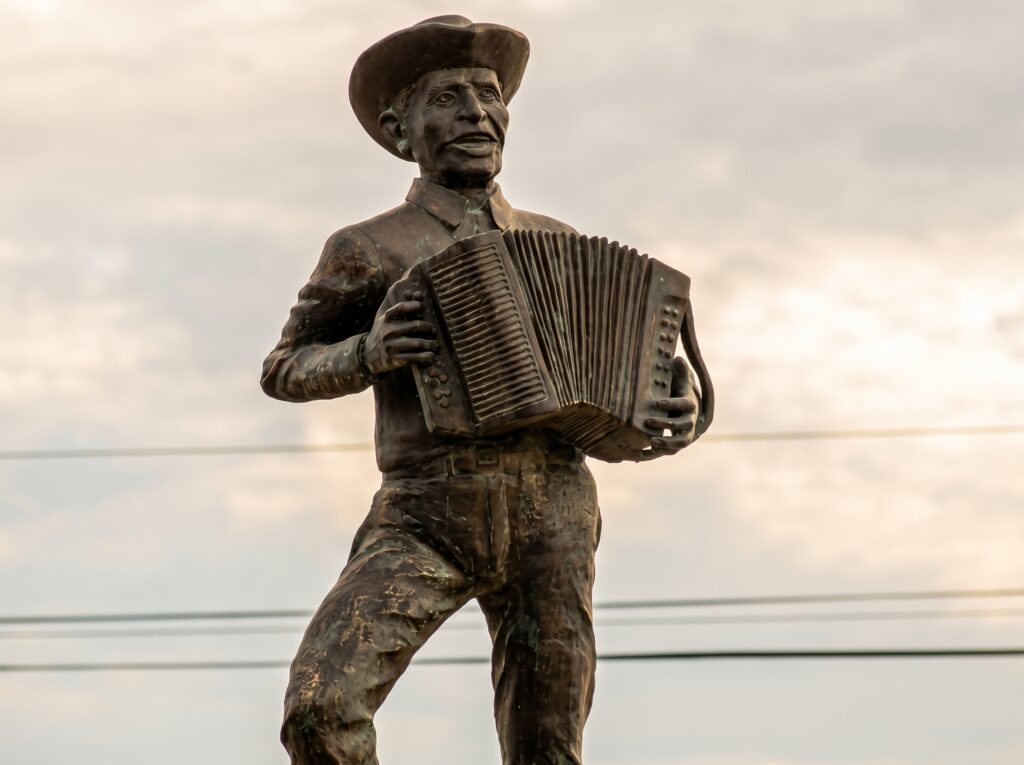
Francisco Moscote was a man born in Machobayo, La Guajira. He was very popular for being a dedicated accordion player and, above all, a minstrel: he didn't compose, but he sang what composers created. He used to travel on his donkey, carrying a small bottle of rum with him. One night he was playing the accordion until he decided to return home. On the way, he began to hear another accordion playing the same song as him. This went on for several minutes; the accordion's response was superior to his own talent, more refined and elegant. At that moment, Francisco understood that he was in a true, high-quality musical duel. He also interpreted it as the work of the devil, because he smelled sulfur. He prayed the Lord's Prayer, but it wasn't enough. Then it occurred to him to pray the Creed backwards. He began to play the Creed backwards on his accordion, and as soon as the devil heard him, he fled. This man would be known as Francisco the Man. Francisco told this story everywhere he went, and it stuck in the memory of the locals. And so, the story spread throughout the valley, as gossip often does in Macondo.
Francisco “El Hombre” The Legend
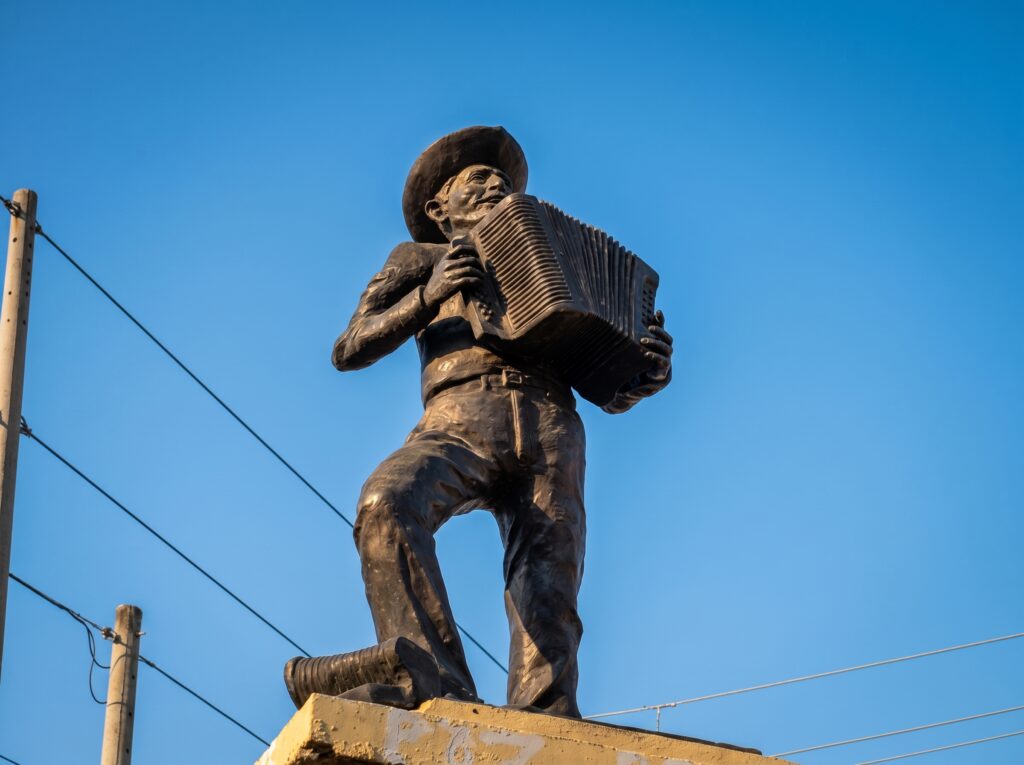
Francisco Moscote was a man born in Machobayo, La Guajira. He was very popular for being a dedicated accordion player and, above all, a minstrel: he didn't compose, but he sang what composers created. He used to travel on his donkey, carrying a small bottle of rum with him. One night he was playing the accordion until he decided to return home. On the way, he began to hear another accordion playing the same song as him. This went on for several minutes; the accordion's response was superior to his own talent, more refined and elegant. At that moment, Francisco understood that he was in a true, high-quality musical duel. He also interpreted it as the work of the devil, because he smelled sulfur. He prayed the Lord's Prayer, but it wasn't enough. Then it occurred to him to pray the Creed backwards. He began to play the Creed backwards on his accordion, and as soon as the devil heard him, he fled. This man would be known as Francisco the Man. Francisco told this story everywhere he went, and it stuck in the memory of the locals. And so, the story spread throughout the valley, as gossip often does in Macondo.